
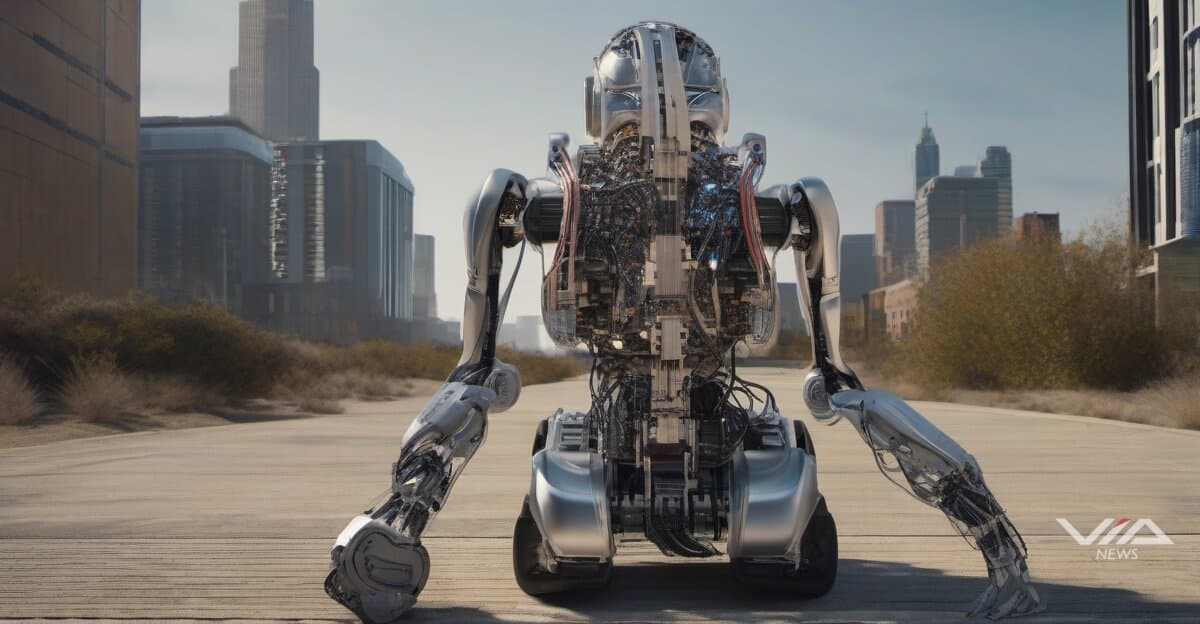
Former OpenAI robotics division members are founding commercial ventures that translate foundation model approaches into physical AI applications. Rocky Duan and Peter Chen co-founded Covariant, Shariq Hashme launched Prosper Robotics, and Jonas Schneider established Daedalus, while Jian Zhang moved from Apple to Meta's robotics initiatives.
The brain drain signals a shift from research to commercialization. Manufacturing, logistics, and autonomous vehicle sectors are deploying AI-powered robots with 2026 robotaxi launches scheduled by multiple operators.
NVIDIA, Dassault Systèmes, and OMRON partnered to integrate Physical AI frameworks with Virtual Twin Factory technology. Motohiro Yamanishi from OMRON stated manufacturers can now "move from design to deployment with greater confidence and speed" using fully autonomous, digitally validated production systems.
Huntington Ingalls Industries partnered with Path Robotics to deploy welding automation in naval shipbuilding. Corvus One targets cold chain logistics automation, while humanoid robots are entering manufacturing and entertainment deployments.
Chinese robotics manufacturers are reshaping the competitive landscape. Mohammed Alsolami noted Chinese robots support "logistics, smart manufacturing, healthcare, and smart city services" in Saudi Arabia's digital transformation, enabling companies to "experiment, pilot, and scale automation solutions in months instead of years."
The standardization and cost reduction from Chinese platforms allows markets like Saudi Arabia to focus local investment on integration and localization rather than building systems from scratch. Alsolami said operators can "bring in mature Chinese platforms and focus our local effort on integration, localization, and new services on top."
Nuro advanced its autonomous delivery vehicle testing, citing "years of commercial autonomous deployments" in its safety validation framework. The company plans expanded on-road testing for its delivery robots.
Investment opportunities span the value chain from foundation model development to sector-specific applications. The talent migration from OpenAI demonstrates how research advances are converting to commercial products, with enterprise customers prioritizing deployment speed over proprietary development.