

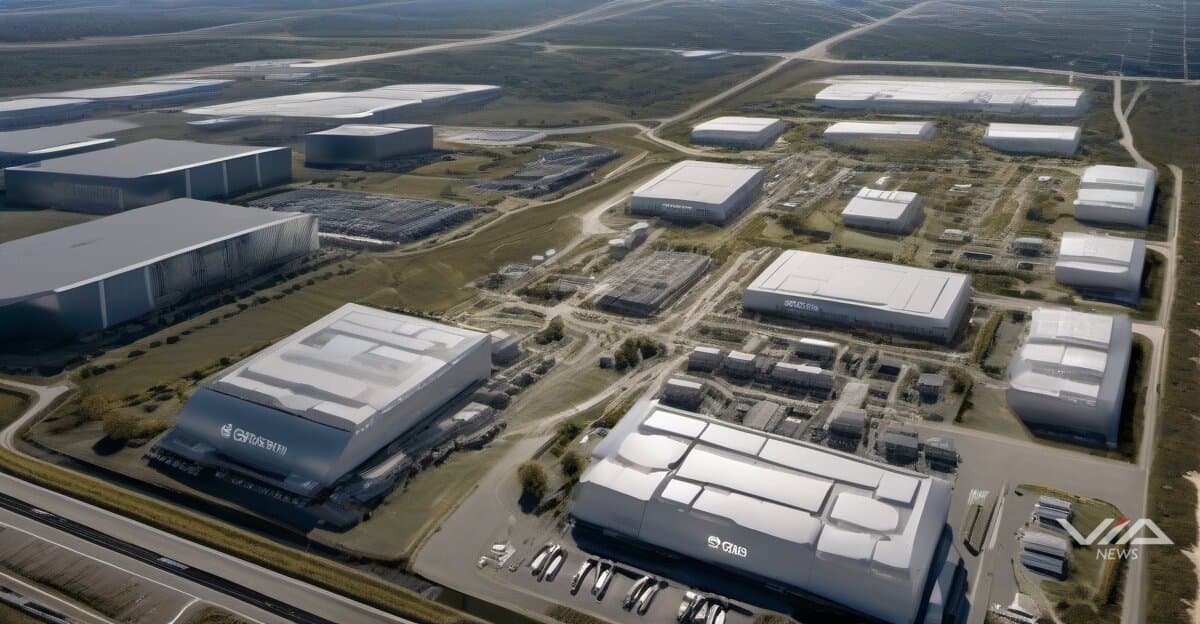
Nvidia projected $1 trillion in chip sales through 2027 at its GTC conference1, signaling unprecedented demand in the AI semiconductor market. The forecast is driving expansion across established chipmakers and attracting capital to specialized startups targeting inference and photonic computing architectures.
Micron is acquiring new fabrication facilities to scale High-Bandwidth Memory production2, a critical component for AI accelerators. Meta separately committed $12 billion to AI infrastructure partnerships1, reflecting how hyperscale cloud operators are locking in long-term chip supply through direct investments.
The trillion-dollar opportunity is creating stratification in the chip market. Traditional AI accelerators from Nvidia and AWS Tranium chips dominate training workloads2. Emerging players are targeting specialized segments: Olix is developing photonic chips and Language Processing Units optimized for inference efficiency1. The company plans to ship its first product in 20272.
Semiconductor supply chain expansion is accelerating beyond memory and logic chips. High-Bandwidth Memory production requires advanced packaging capabilities that only a handful of facilities worldwide can provide. Micron's acquisition strategy reflects the bottleneck: capacity constraints in specialized manufacturing are limiting how quickly chipmakers can meet AI demand.
Investment implications center on capital allocation timelines. Established chipmakers like Micron are deploying billions in multi-year fabrication expansions. Hyperscalers like Meta are pre-funding infrastructure buildouts through partnership agreements. The lag between capital commitment and production capacity creates timing risk for investors evaluating near-term earnings against long-term positioning.
Specialized chip architectures represent a second investment vector. Photonic chips promise lower power consumption for inference workloads. Language Processing Units target domain-specific acceleration. These technologies remain pre-revenue, with Olix's 2027 product timeline indicating a multi-year commercialization horizon. Market adoption will depend on whether performance advantages justify integration costs for cloud operators already committed to GPU infrastructure.