
Serve Robotics completed its acquisition of Vayu Robotics to integrate foundation model technology for autonomous systems, combining Serve's deployment infrastructure with Vayu's AI capabilities for physical intelligence.
The deal reflects a pivot from traditional automation to AI-powered robotics with embedded foundation models. Fortune 500 companies are deploying autonomous security and warehouse systems that cut costs 35-80% compared to human-staffed operations, according to Artificial Intelligence Technology Solutions.
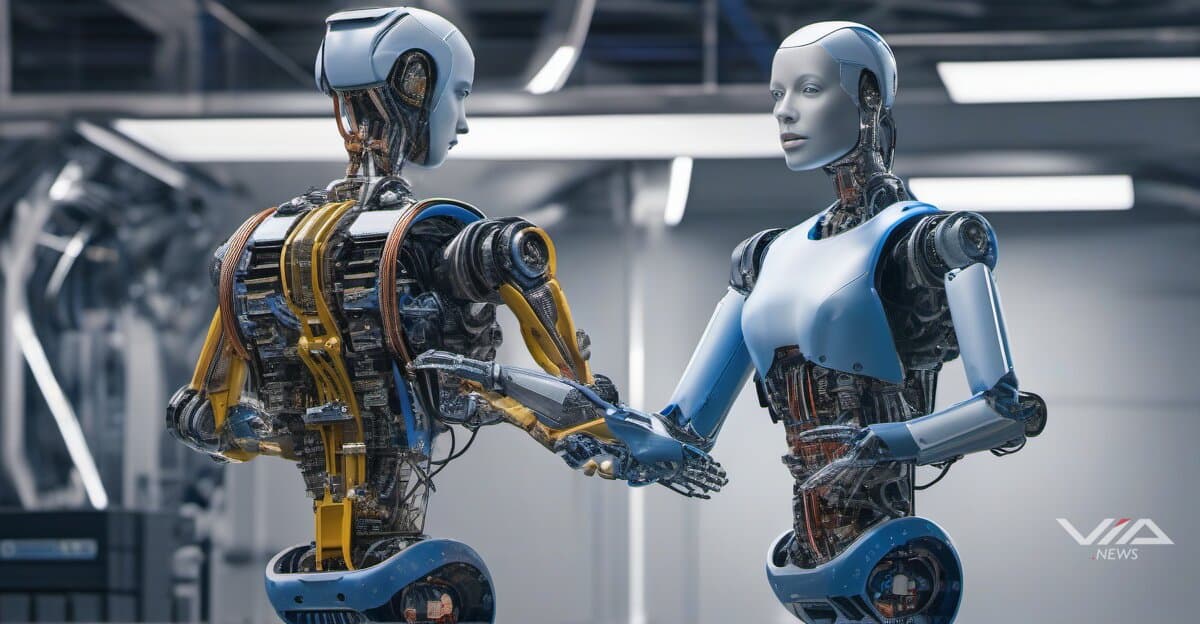
Humanoid robotics companies Galaxea AI, Spirit AI, and AI² Robotics have raised capital rounds as investors bet on commercial applications beyond warehousing. These startups are developing general-purpose humanoid platforms rather than task-specific industrial robots.
RAD's autonomous security systems generate recurring revenue from deployed units at enterprise clients. The company expects conversion of existing sales pipeline into active deployments across the $50B security and guarding services industry.
RADSight 2.0 architecture reduces power consumption by over 50% versus earlier configurations, lowering operational costs for businesses replacing manned security with autonomous units. Each Fortune 500 customer represents potential for multiple reorders as deployments scale.
The M&A activity and startup funding signal investor confidence in autonomous systems reaching commercial viability. Companies are moving beyond pilot programs to full-scale deployments that demonstrate measurable cost reduction and operational efficiency gains.
Internal tensions emerged at OpenAI regarding Pentagon partnerships, highlighting ongoing debates around AI ethics and defense applications as autonomous systems expand into security and military domains.
The robotics sector transformation combines three trends: consolidation through acquisitions like Serve-Vayu, venture capital flowing to humanoid startups, and enterprise adoption of autonomous systems delivering proven cost savings. Foundation models for physical intelligence are becoming strategic assets as companies compete for deployment scale across warehousing, security, and service industries.