
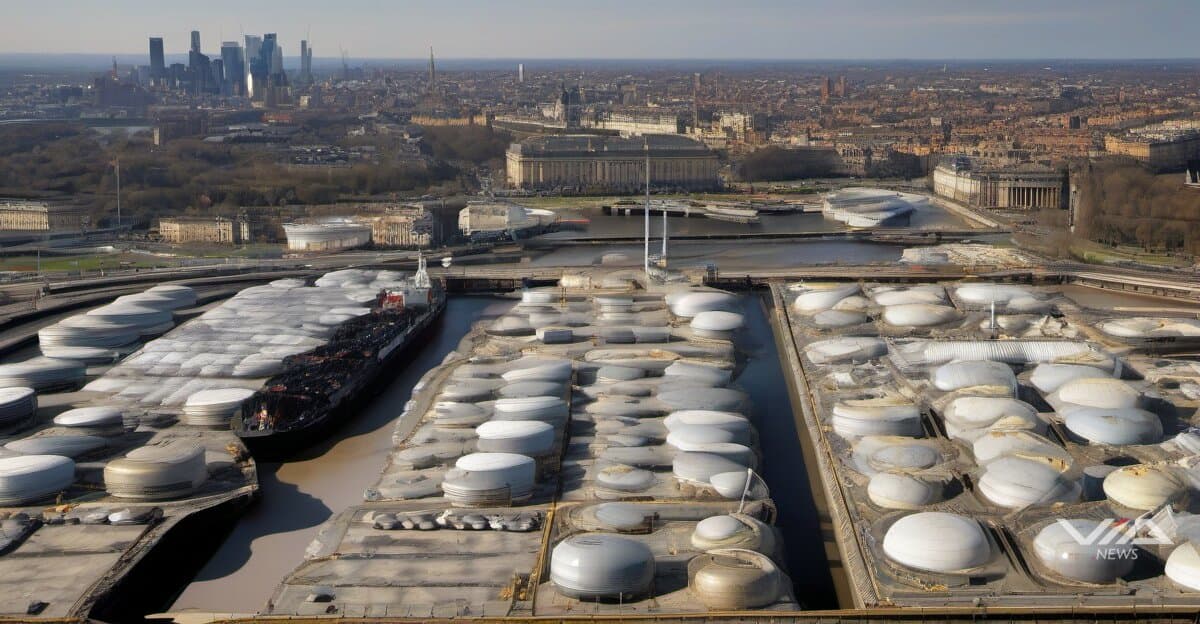
UK gilt markets declined as geopolitical shocks from the Iran conflict pushed oil and gas prices higher, disrupting shipping routes and threatening renewed inflation pressure ahead of the spring statement.
The conflict has raised household energy bills and business costs, potentially forcing the Bank of England to maintain higher interest rates longer than markets anticipated. Chancellor Rachel Reeves faces a mixed economic backdrop: inflation has fallen and government borrowing costs have eased, but unemployment has risen and the growth outlook has weakened.
"The conflict in Iran has pushed up oil and gas prices and disrupted shipping routes," said David Aikman, noting that persistent disruption "will raise household bills and business costs in the months ahead, putting renewed upward pressure on inflation and potentially interest rates."
Reeves is expected to deliver a low-key spring statement, maintaining her pledge to restrict major policy changes to the autumn budget. The approach reflects fiscal constraints as the UK manages unsustainably high debt levels while navigating external shocks.
"With debt still unsustainably high, the priority for the chancellor should be to build a credible medium-term plan to put the public finances on a more resilient path, with debt falling as a share of the economy over time," Aikman said.
Across the Atlantic, US fiscal sustainability concerns escalated as the Social Security Board of Trustees warned that retired workers could see payouts reduced by up to 23% in 2033 if Congress fails to address the program's insolvency trajectory. The projection has intensified debates over tariff revenue proposals as alternative funding mechanisms.
California added to US fiscal policy uncertainty with controversial wealth tax measures that critics argue could drive high-net-worth individuals to other states, eroding the tax base.
The convergence of geopolitical energy shocks and structural fiscal deficits is forcing major economies to reassess public finance management strategies. UK policymakers must balance immediate inflation risks from oil price volatility against long-term debt reduction targets, while US officials confront entitlement program sustainability amid political gridlock.
Markets are pricing in extended fiscal uncertainty as governments navigate between crisis response and structural reform, with bond investors demanding higher risk premiums for long-term sovereign debt exposure.