
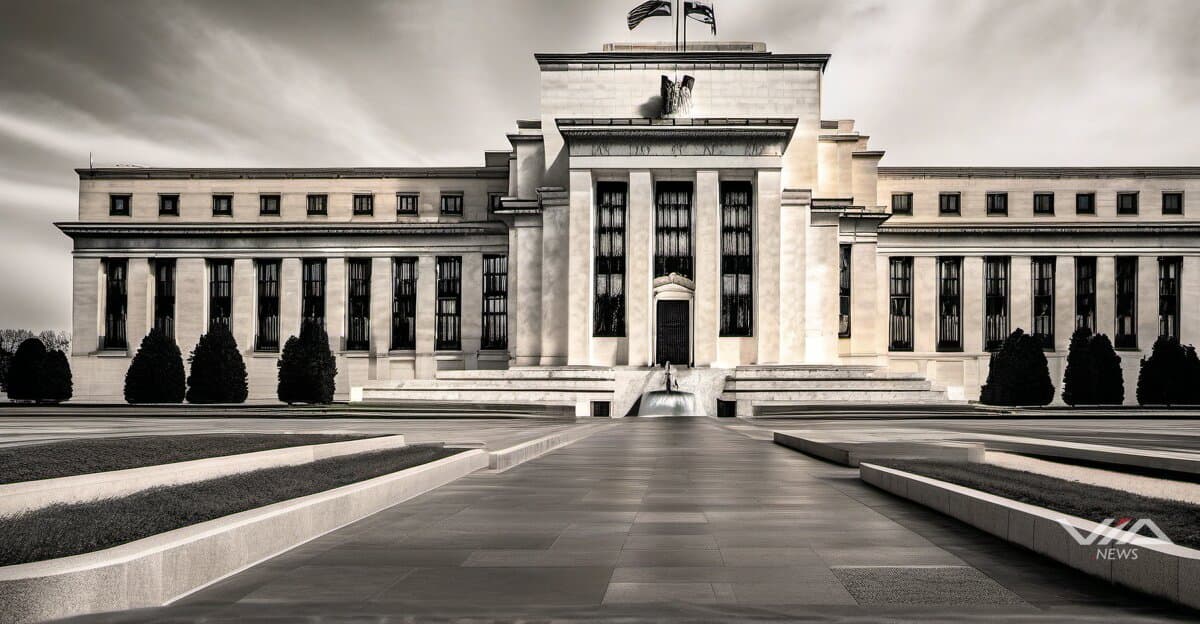
Former Cleveland Fed President Loretta Mester said the Federal Reserve can hold interest rates at current levels for an extended period while inflation remains above target. "The labor market has stabilized, and they need to keep policy a bit restrictive to help inflation move back down to 2%. It's a good time to wait," Mester stated.
The Fed joins the European Central Bank, Bank of Russia, and Brazil's central bank in policy decisions this week, with all four institutions pausing their easing cycles. This marks a departure from the rate cut trajectory anticipated earlier in the year.
Mester emphasized the Fed's patience: "The Fed is in a very good position to hold for a while and see how the economy actually evolves." She indicated policymakers will require convincing evidence of either inflation retreating to 2% or significant labor market weakness before resuming rate cuts.
The Fed's restrictive stance comes as labor market dynamics shift. Mester attributed the slowdown to structural policy changes rather than monetary factors: "It's not as vibrant of a labor market as you'd like, but that's because of the policies that have been put onto this economy, not anything a Fed tool like the fed funds rate can address." Immigration restrictions and tariffs have imposed economic constraints beyond the central bank's control.
Geopolitical tensions add complexity to monetary policy decisions globally. Brazil's monetary policy director Nilton David warned that the Iran war "adds new layer of risk to Brazil's economic outlook and could argue for reassessment of how bank calibrates monetary policy after March meeting."
The divergence in views among Fed officials reflects the current uncertainty. Mester defended this disagreement: "In an environment this difficult to read, I don't think it's very unusual or surprising that you'd have different views. If everyone agreed, I'd be worried they're not working at things as robustly as they should."
Financial markets face an extended period of higher borrowing costs as central banks prioritize inflation control over growth stimulus. The coordinated pause suggests policymakers view current inflation risks as outweighing concerns about economic slowdown, with tight labor markets and geopolitical uncertainties reinforcing the case for patience on rate cuts.