
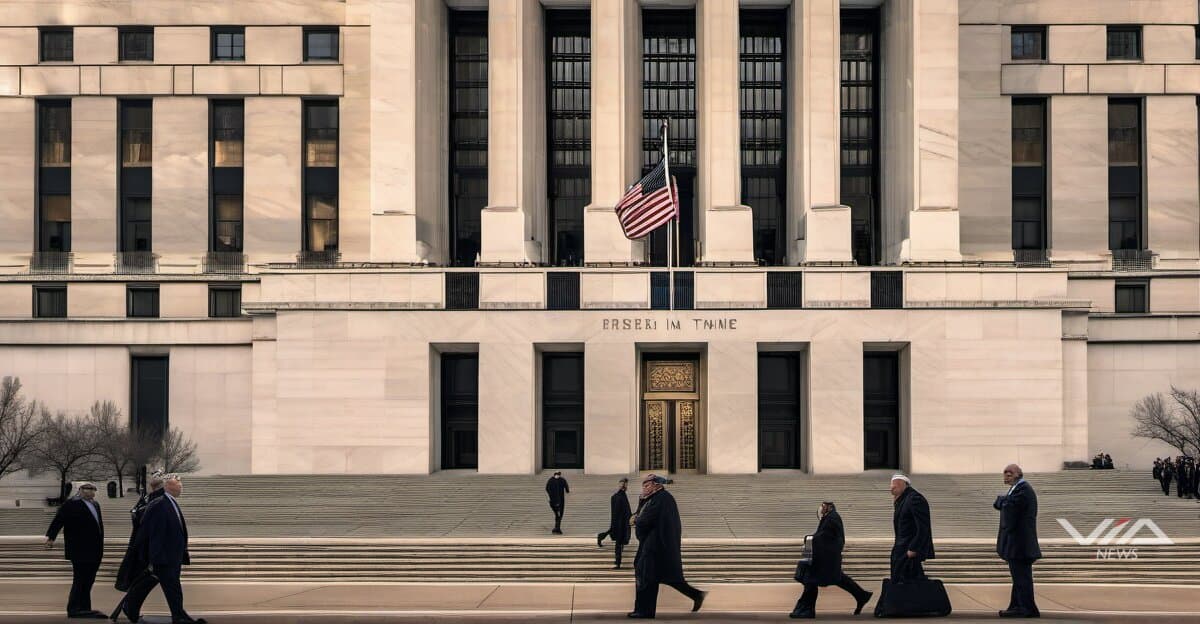
Federal Reserve officials are coalescing around a pause on rate cuts as Trump administration tariffs fuel inflation concerns, a stance that threatens to keep corporate borrowing costs elevated through 2026.
New York Fed President John Williams said additional rate cuts would be warranted only if inflation slows once tariff impacts pass through the economy. The comments mark a shift from earlier expectations for continued monetary easing this year.
Atlanta Fed President Raphael Bostic said rates should remain "mildly restrictive" as he expects US growth in 2026 to put upward pressure on inflation. Multiple regional Fed presidents have signaled that policy rates may be near neutral levels, reducing the urgency for further cuts.
The cautious stance comes as Fed officials acknowledge tariff costs are being passed directly to US consumers and businesses. Services inflation remains persistent, complicating the central bank's inflation outlook. Williams noted that Middle East geopolitical risks will affect near-term inflation and increase economic uncertainty.
Corporate Financing Impact
Prolonged higher rates will keep business loan costs elevated at a time when companies face margin pressure from tariff expenses. Investment-grade corporate bonds have traded at elevated spreads in recent weeks as rate cut expectations diminished.
Banks have tightened lending standards over the past year, and sustained higher rates could extend restrictive credit conditions. Small and mid-sized businesses that rely on variable-rate loans face particular pressure from the higher-for-longer environment.
Capital expenditure plans may be scaled back as companies balance higher financing costs with tariff-related supply chain adjustments. Industries with heavy capital requirements, including manufacturing and infrastructure, face compounded pressure from both fronts.
Business Investment Outlook
The Fed's pivot reduces visibility for corporate treasurers planning debt refinancing and capital allocation. Companies with significant maturities in 2026-2027 may face refinancing at rates materially higher than previous borrowing costs.
Minneapolis Fed President Neel Kashkari's recent comments dismissing cryptocurrency utility underscore the Fed's focus on traditional monetary policy tools over alternative financial innovations. Meanwhile, Bundesbank President Joachim Nagel noted the euro area inflation picture is "favorable," highlighting divergence between US and European monetary policy paths that could affect multinational corporate funding strategies.