
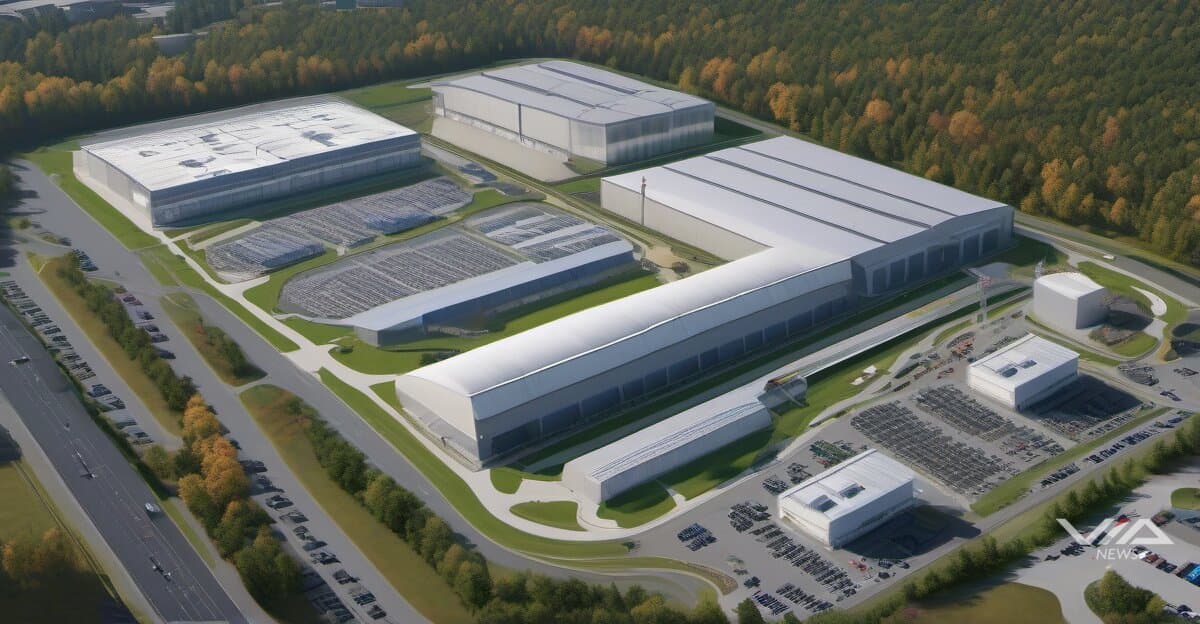
GlobalFoundries completed acquisitions of MIPS processor intellectual property and AMF while pursuing additional Synopsys IP assets, marking an aggressive M&A campaign focused on AI chip manufacturing capabilities. The company simultaneously expanded capacity at its Dresden facility to support increased production volumes.
The MIPS processor IP acquisition provides GlobalFoundries with architectural designs suited for AI accelerators and edge computing applications. Combined with the AMF purchase and pending Synopsys deal, the foundry is assembling an IP portfolio that positions it to manufacture specialized AI chips for third-party clients.
Semiconductor industry consolidation accelerated as companies compete for AI compute infrastructure contracts. GlobalFoundries' strategy reflects a shift toward existing facilities adding AI-specific process nodes rather than building new fabrication plants. Dresden facility expansion costs less than greenfield construction while delivering faster time to market.
AI hardware manufacturers face supply chain constraints as chip demand outpaces production capacity. Foundries with comprehensive IP portfolios can offer integrated design and manufacturing services, reducing development cycles for AI accelerator chips. GlobalFoundries' acquisitions target this integration opportunity.
The consolidation trend impacts semiconductor equipment suppliers and design tool vendors. Foundries acquiring processor IP directly may reduce third-party licensing revenue but increase wafer fabrication volumes. Equipment makers benefit from capacity expansions at existing facilities requiring upgraded lithography and deposition systems.
Edge AI applications drive demand for power-efficient processor designs compatible with advanced manufacturing nodes. MIPS architecture offers low-power characteristics suited for edge deployment, differentiating GlobalFoundries from foundries focused solely on high-performance computing chips.
Investment implications favor established semiconductor manufacturers with acquisition capital over startups lacking scale. Foundries that secure diverse IP portfolios can serve multiple AI chip market segments, from data center accelerators to automotive edge processors. GlobalFoundries' triple acquisition strategy demonstrates capital allocation toward market share capture in AI manufacturing rather than R&D-intensive chip design.
Supply chain resilience improves as foundries diversify manufacturing locations and expand existing facilities. Dresden expansion provides geographic redundancy for clients concerned about single-facility concentration risk in AI chip production.