
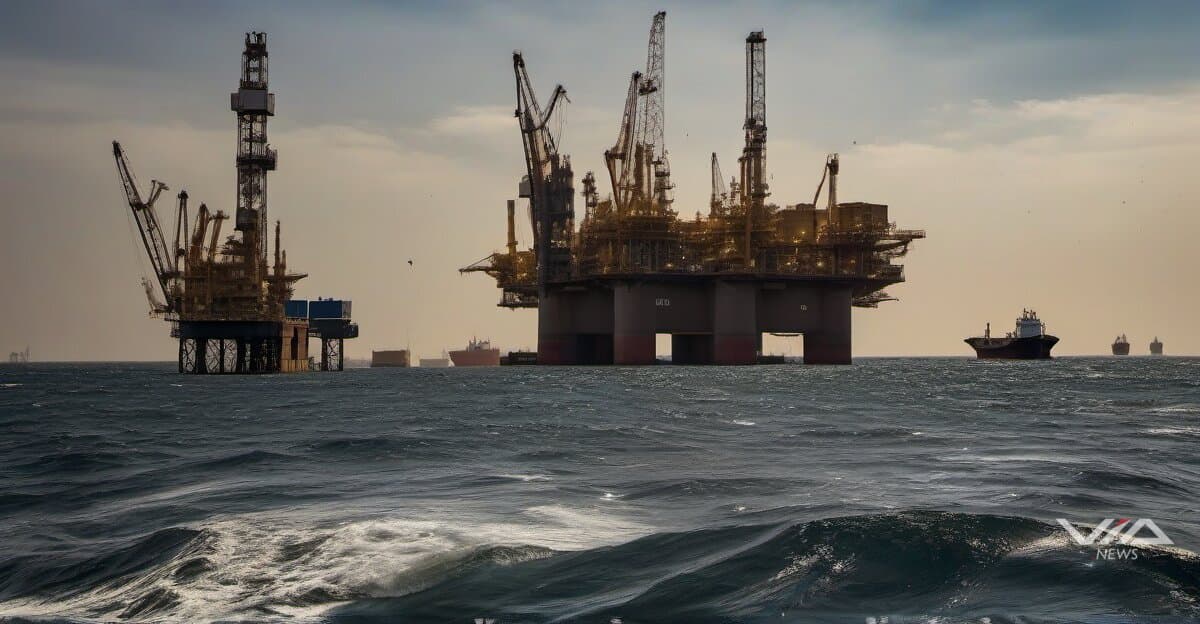
The Hormuz blockade has removed approximately 20 million barrels per day from global markets, marking the largest oil supply disruption ever measured according to MacroEdge Research. WTI crude prices and Oil VIX have spiked in response.
The US has signaled a four-to-five-week military campaign to resolve the crisis. Nikos Tzabouras warns that sustained high energy prices may trigger reflationary pressures weighing on a global economy already facing tariff headwinds. The supply tailwind could reverse into demand destruction.
Scott Wren at Wells Fargo notes any geopolitical situation affecting oil prices—particularly Middle East and Ukraine-Russia conflicts—will have the largest impact on financial markets. The current disruption dwarfs previous supply shocks in scale.
Investors are rotating into defensive commodity positions as a hedge against prolonged disruption. CF Industries, a major agricultural inputs producer, has attracted buying as elevated energy costs flow through to fertilizer prices. Agnico Eagle and Teck Resources are drawing inflows as mining stocks offer inflation protection and resource scarcity premiums.
Portfolio managers face a dual challenge: energy shock inflation may force central banks to maintain restrictive policy longer than anticipated, while simultaneously crushing consumer demand if prices remain elevated. This stagflationary setup rewards defensive positioning over cyclical exposure.
The four-to-five-week timeline suggests near-term volatility will remain elevated across energy-sensitive sectors. Transportation, chemicals, and consumer discretionary stocks face margin compression if crude sustains current levels. Airlines and logistics operators are particularly vulnerable given limited pricing power.
Commodity-linked equities offer better inflation pass-through than traditional defensives like utilities or consumer staples. Materials and energy infrastructure names provide natural hedges, while gold miners benefit from safe-haven flows without direct oil price correlation.
The reflation risk is amplified by existing tariff pressures. Combined fiscal and supply shocks could break the disinflationary trend that has supported equity valuations since 2023. Fixed income investors should prepare for potential yield curve steepening if inflation expectations break higher.