
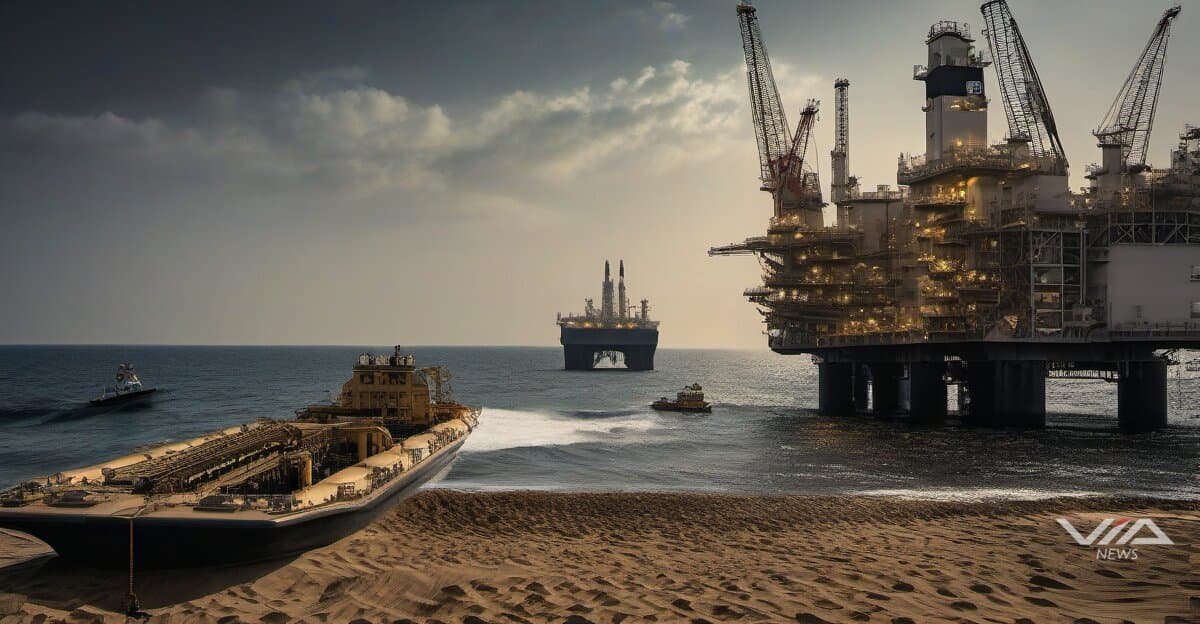
The Hormuz blockade has removed approximately 20 million barrels per day from global oil markets, the largest supply disruption ever measured, according to MacroEdge Research. WTI crude prices surged sharply as Oil VIX spiked to crisis levels, signaling extreme volatility in energy markets.
The supply shock is rippling beyond crude oil into agricultural and industrial commodities. CF Industries faces rising fertilizer production costs as natural gas prices climb. Aluminum futures are rallying on energy-intensive smelting concerns, while cocoa prices continue volatile trading patterns amid broader commodity market stress.
"Any geopolitical situation that can affect the price of oil is what will have the largest impact on the financial markets," said Scott Wren, citing both Middle East and Ukraine-Russia tensions as primary drivers. The current crisis validates his warning with unprecedented force.
Investors are rotating into defensive commodity positions. Mining equities including Agnico Eagle and Teck Resources are attracting capital as inflation hedges. Farmland investments are gaining traction as alternative commodity exposure, offering both agricultural price upside and tangible asset protection.
Portfolio managers face dual risks: energy price inflation eroding purchasing power and supply chain disruptions across commodity-dependent sectors. The fertilizer cost spike threatens agricultural margins globally, while metals volatility complicates industrial production planning.
Energy exposure requires immediate reassessment. Direct oil equity positions face extreme volatility, while indirect exposure through transportation, chemicals, and manufacturing sectors compounds risk. Commodity-linked inflation is accelerating faster than most portfolio models anticipated.
Defensive positioning now centers on three strategies: physical commodity producers with pricing power, precious metals as monetary hedges, and real assets including farmland and infrastructure. Traditional 60-40 portfolios lack adequate protection against simultaneous energy shocks and inflation acceleration.
The Hormuz crisis exposes structural vulnerabilities in global energy supply. With 20 million barrels daily offline, inventories will draw down rapidly unless diplomatic resolution emerges. Portfolio construction must account for extended supply disruption scenarios and persistent commodity volatility through 2026.