
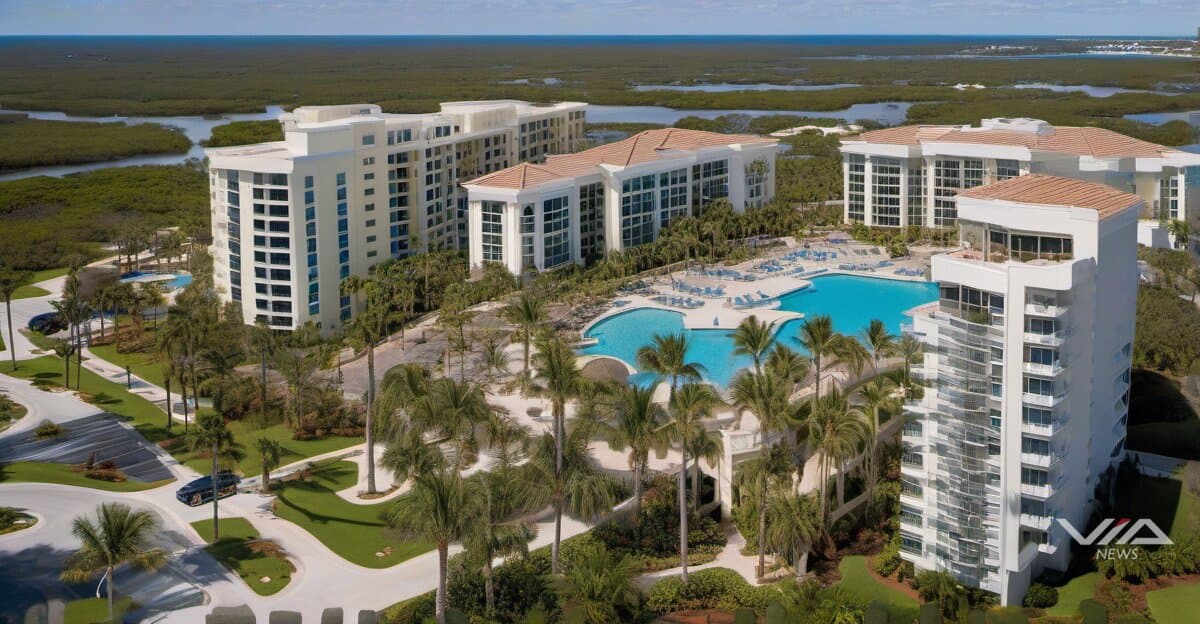
American Coastal Insurance Corporation controls 25% of Florida's eligible condominium insurance market, covering 4,300 of 17,000 associations in a state that absorbs 79% of U.S. hurricane losses despite representing just 8% of the coastline.
President and CEO Brad Martz has maintained profitability for 18 consecutive years through this concentrated strategy. The approach delivers market dominance but creates structural vulnerability: a single Category 4 hurricane making direct landfall could trigger claims across the majority of the company's portfolio simultaneously.
Florida's insurance market has collapsed twice in recent decades. Citizens Property Insurance Corporation, the state-backed insurer of last resort, now covers 1.1 million policies after six major carriers exited between 2022-2023. American Coastal's concentration means regulatory changes targeting the state's insurance crisis—premium caps, coverage mandates, or claims processing rules—hit harder than diversified competitors.
The condo insurance segment carries additional complexity. Florida's Surfside collapse in 2021 triggered legislation requiring reserve studies and structural inspections for buildings over three stories. Compliance costs pushed condo association budgets up 40-60% in some markets, straining owners' ability to pay premiums even as coverage requirements expanded.
American Coastal's 4,300 associations represent approximately $2.1 billion in total insured value, based on industry averages of $485,000 per condominium association policy. A major hurricane event could generate loss ratios exceeding 150% if multiple associations sustain total losses, particularly given Miami-Dade and Broward counties' concentration of high-rise coastal properties.
Reinsurance costs in Florida have tripled since 2019. Carriers writing concentrated Florida books pay 18-22% of gross written premiums for catastrophe reinsurance versus 8-12% for geographically diversified carriers. These costs compress margins during profitable years and amplify losses during catastrophic events.
The 18-year profit record demonstrates skilled underwriting and pricing discipline. But geographic concentration transforms hurricane risk from a probabilistic event into an existential question: not whether a major storm hits Florida, but when—and whether a single-state book can survive the accumulation of claims that follows.