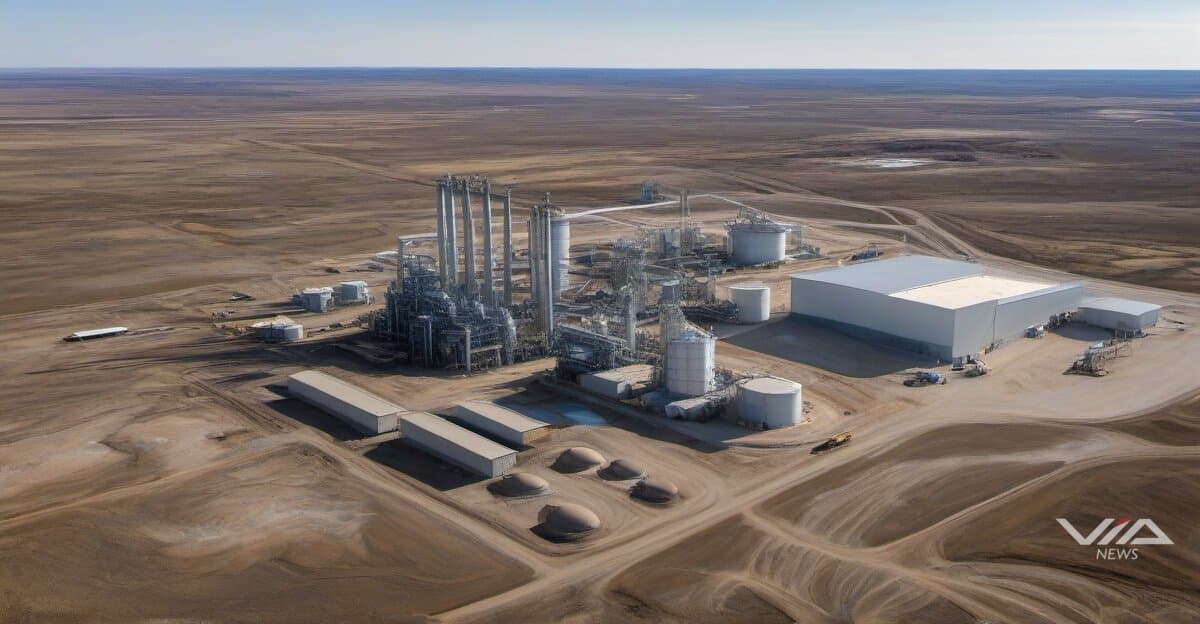
The Saskatchewan Research Council plans to bring its rare earth processing facility to full operations by December 2029, establishing one of the few vertically integrated processing sites outside Asia.1
The facility will handle the complete rare earth production chain from separation to finished materials. This end-to-end capability addresses a strategic bottleneck: while rare earth deposits exist globally, processing remains concentrated in a handful of jurisdictions.
Rare earth elements power defense electronics, precision-guided munitions, jet engines, and satellite systems. Neodymium and dysprosium enable high-performance permanent magnets in missile guidance systems and military aircraft motors. Yttrium supports laser targeting systems.
Western governments are funding domestic processing capacity to diversify supply chains. The Pentagon has prioritized rare earth security for weapons production, driving investment in North American processing infrastructure.1
Canada holds substantial rare earth deposits but historically shipped raw materials abroad for processing. The SRC facility reverses this pattern by capturing higher-margin processing stages domestically.
Processing rare earths requires specialized chemical separation techniques and generates significant waste streams. Facilities must separate 17 chemically similar elements into individual pure metals. China built dominant market position over decades by absorbing these costs and developing technical expertise.
The 2029 timeline gives SRC four years to complete construction, install processing equipment, and validate production quality. Full operations mean commercial-scale output meeting defense and industrial specifications.
Investment in critical minerals infrastructure extends beyond rare earths. Lithium, cobalt, and graphite processing face similar geographic concentration. Governments are using loans, grants, and offtake agreements to support domestic capacity.
The SRC project reflects strategic resource policy treating certain materials as national security priorities. Processing facilities require multi-year construction periods, making early investment essential for future supply security.