
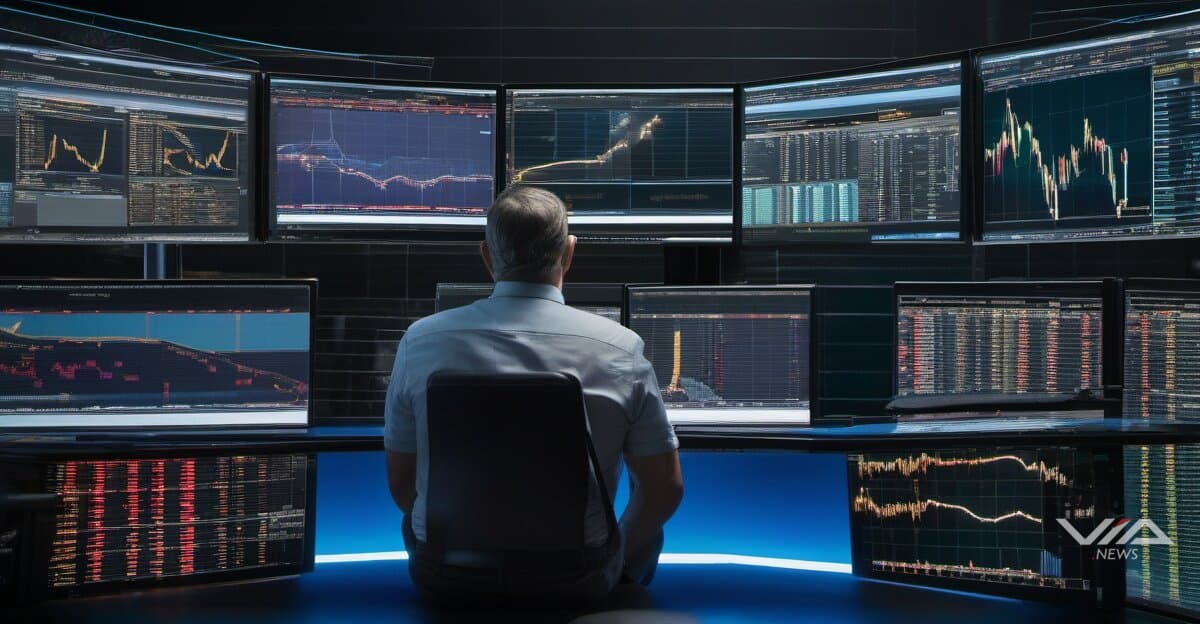
Established market makers are reporting strong performance metrics driven by algorithmic trading technology. Flow Traders and Virtu Financial both increased technology investments while maintaining profitable operations in volatile market conditions.
The institutional advances coincide with a wave of retail-focused automated trading platforms. Quantum AI launched in 2025 as a multi-asset platform requiring $250 minimum deposits. The platform claims "next evolution in automated trading intelligence" through pattern-recognition algorithms and predictive modeling.
Quantum AI operates through broker partnerships rather than direct financial services licensing. The company disclosed no revenue model details while stating users retain "full ownership of accumulated profits." The platform covers cryptocurrencies, forex, equities, commodities and global indices.
The system architecture includes real-time analytics aggregating pricing data, volume activity, liquidity behavior and market depth. Technical capabilities include anomaly-detection for liquidity gaps and volume surges, plus automated reaction cycles processing market shifts.
Geographic availability spans parts of Europe, Asia, Australia, South America and select African markets. The platform excludes countries restricting online trading or automated systems. Region-based routing connects users to compliant brokerage partners during registration.
The platform requires no subscription fees or maintenance charges, though broker and banking fees may apply. Withdrawal processing typically completes within 24 hours before bank settlement periods.
The proliferation of retail algorithmic trading services raises regulatory questions about investor protection, performance claims verification and operational transparency. Institutional market makers face comprehensive regulatory oversight including capital requirements and risk management standards.
The divergence between institutional and retail algorithmic trading infrastructure reflects different regulatory frameworks. Established market makers invest heavily in compliance systems, while newer retail platforms operate through broker partnerships with varying oversight levels.
Financial regulators in multiple jurisdictions are examining automated trading platform disclosures, particularly around performance claims and risk warnings. The sector faces potential regulatory harmonization as retail algorithmic trading adoption accelerates.