
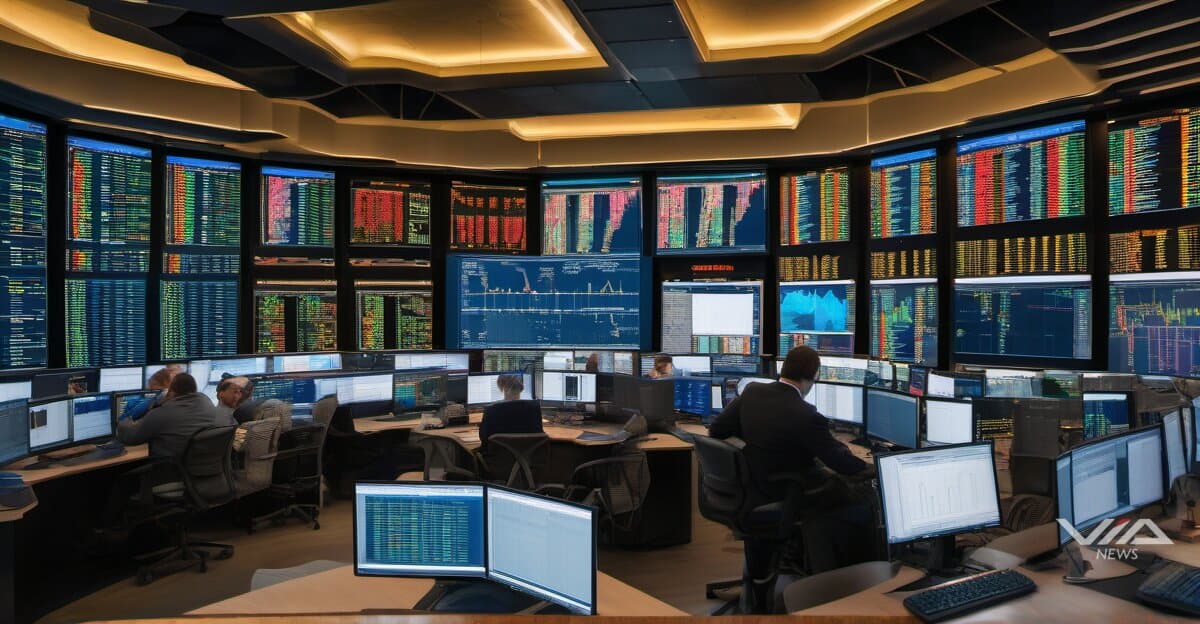
Flow Traders has launched deep learning initiatives across its trading infrastructure while BitMart deployed multi-generation AI trading systems, both responding to heightened crypto market volatility that saw Bitcoin retreat from all-time highs.
The infrastructure upgrades arrive as regulatory pressure intensifies. USDT received a credit downgrade and China reaffirmed its crypto ban, forcing platforms to build more adaptive risk management systems. AI-powered models can now process regulatory shifts and market signals simultaneously, adjusting position limits in real-time.
Meta's shift to TPU infrastructure and Google's Gemini 3 Pro release are expanding AI compute capacity available to trading platforms. NVIDIA beat earnings expectations on data center revenue, signaling sustained demand for the hardware underpinning these algorithmic systems.
BitMart's multi-generation approach layers different AI models for various trading strategies, from high-frequency execution to longer-term position management. Flow Traders is applying deep learning to market-making operations, where millisecond pricing decisions compound across thousands of daily trades.
The timing reflects operational necessity. Bitcoin's recent price swings created liquidity gaps that traditional rule-based systems struggled to navigate. AI models can identify emerging patterns across correlated assets, adjusting hedge ratios faster than human traders.
Crypto platforms face unique infrastructure challenges. Unlike equity markets with defined trading hours, digital asset venues operate continuously across global time zones. AI systems monitor these 24/7 markets, flagging anomalies that could signal flash crashes or manipulation.
The regulatory environment adds complexity. Platforms must balance algorithmic efficiency with compliance requirements that vary by jurisdiction. AI-powered compliance systems are now screening trades for suspicious patterns while optimizing execution quality.
Traditional finance is watching closely. Flow Traders operates across both conventional and crypto markets, giving the firm insight into how AI trading infrastructure performs under different regulatory frameworks. The lessons learned may accelerate AI adoption in equity and derivatives trading.
Infrastructure costs remain significant. Training advanced trading models requires substantial compute resources, but platforms calculate the expense against potential losses from poor risk management during volatile periods. The recent market swings have made that business case more compelling.