
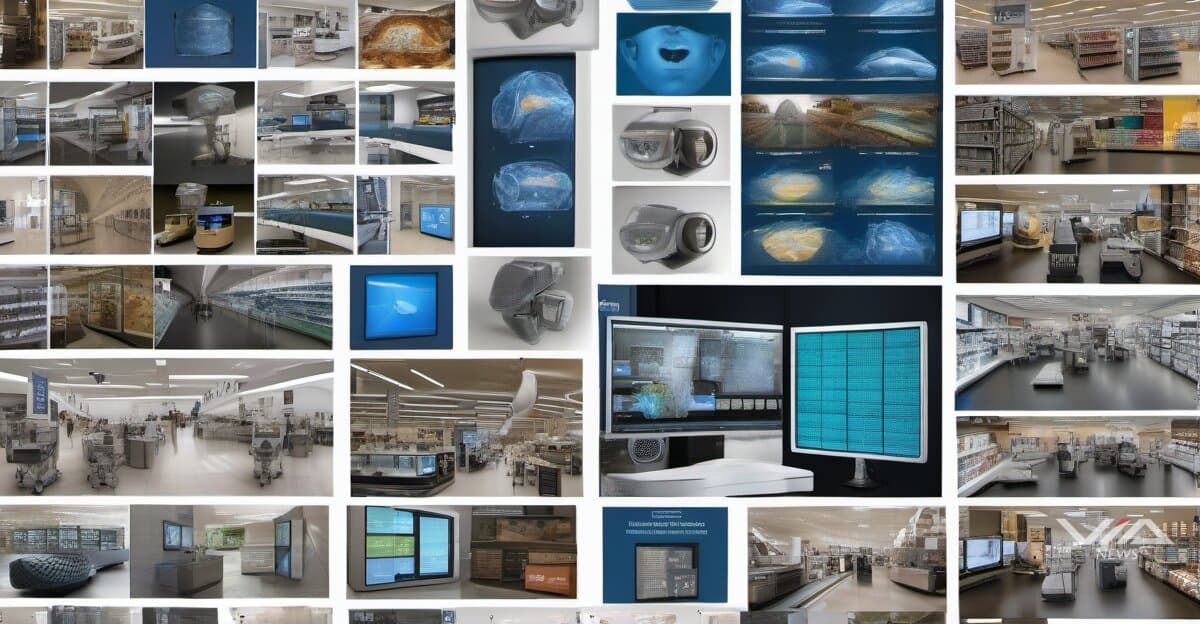
Enterprise computer vision deployments are accelerating as specialized solutions replace experimental AI projects, with retail loss prevention emerging as a primary growth driver.
Everseen's Evercheck platform and EXL's cognitive analytics tools are gaining traction among retailers seeking production-ready systems for theft detection and inventory management. These vendors focus on narrow use cases rather than general-purpose vision models, addressing specific operational problems with measurable ROI.
The shift toward specialized solutions reflects enterprise reluctance to deploy broad AI systems. Companies are funding vendors that solve defined problems—tracking shoplifting patterns, monitoring infrastructure wear, or analyzing medical scans—instead of betting on platforms promising universal vision capabilities.
Medical imaging shows parallel development. Researchers at institutions developing the UOT framework are advancing lesion tracking accuracy, addressing a technical gap where merged or split lesions cause misclassification under RECIST standards. Accurate detection matters for disease progression assessment, creating demand for specialized medical vision tools beyond general diagnostic AI.
Infrastructure monitoring represents a third vertical where computer vision is moving to production. Utility companies and transportation agencies are deploying systems to detect structural issues, equipment failures, and safety hazards through automated visual inspection.
The market structure favors specialists over generalists. While large tech companies release broad vision models, enterprises are contracting with vendors offering vertical expertise. A retail chain needs theft detection algorithms trained on store footage, not a model that also recognizes vacation photos.
This fragmentation creates opportunities for analytics service providers. Companies lack internal expertise to deploy vision systems, opening demand for implementation partners who understand both the technology and industry requirements. Integration work—connecting vision outputs to inventory systems, medical records, or maintenance databases—requires domain knowledge beyond AI capabilities.
Investment patterns reflect the transition. Funding flows to companies with deployed customers and revenue rather than research labs with accuracy benchmarks. Vision AI is exiting the experimental phase where technical demos secured capital, entering a deployment phase where operational metrics determine funding.
The sector's evolution mirrors earlier enterprise software adoption cycles. Initial hype gives way to practical applications as buyers demand solutions to specific problems with clear financial justification.