
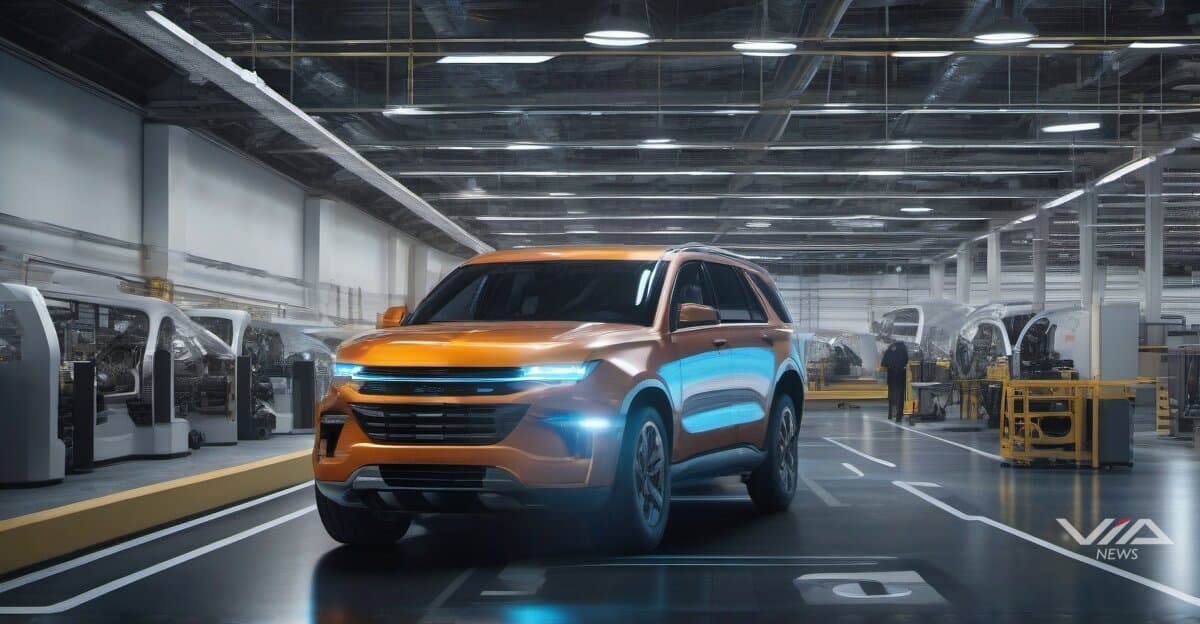
Humanoid launched KinetIQ AI framework for robotics applications as manufacturers deploy domain-specific AI systems to automate tasks that resisted previous automation waves. The framework targets the remaining 15-20% of manual processes in industrial settings that general-purpose robotics couldn't handle.
Nomagic's Shoebox Picker handles more than 98% of shoeboxes on the market, addressing SKUs that account for up to 20% of U.S. fashion e-commerce volume. The system solves a persistent logistics bottleneck where irregular packaging forced human intervention despite automated sortation infrastructure.
Toyota Research Institute deployed autonomous robots on factory floors in early 2026, following Weave Robotics' February 1 launch of Isaac 0 laundry robot. Both deployments demonstrate physical AI moving beyond pilot programs into production environments.
Kacper Nowicki, CEO of Nomagic, outlined plans to bring physical AI into warehouse and logistics operations where variable SKU handling creates automation gaps. The company's approach uses vision systems trained on specific product categories rather than general object recognition.
Domain-specific AI frameworks show measurable ROI by targeting narrow automation gaps. Shoebox handling, laundry processing, and factory floor navigation each require specialized training data and manipulation strategies that general robotics platforms lack.
Enterprise deployment patterns suggest 2026 will see accelerated physical AI adoption in manufacturing and logistics. Companies are investing in automation for tasks that were economically unviable with previous technology generations—using AI to handle edge cases that account for disproportionate labor costs.
The trend indicates physical AI revenue growth will track enterprise willingness to deploy systems with 95%+ task completion rates, where the remaining 5% previously required full human staffing. By eliminating that margin, companies justify capital expenditure on specialized robotics infrastructure.
Q4 2026 enterprise deployment announcements and revenue figures from physical AI vendors will test whether domain-specific frameworks can deliver the ROI needed to drive broad manufacturing adoption beyond early pilot programs.