

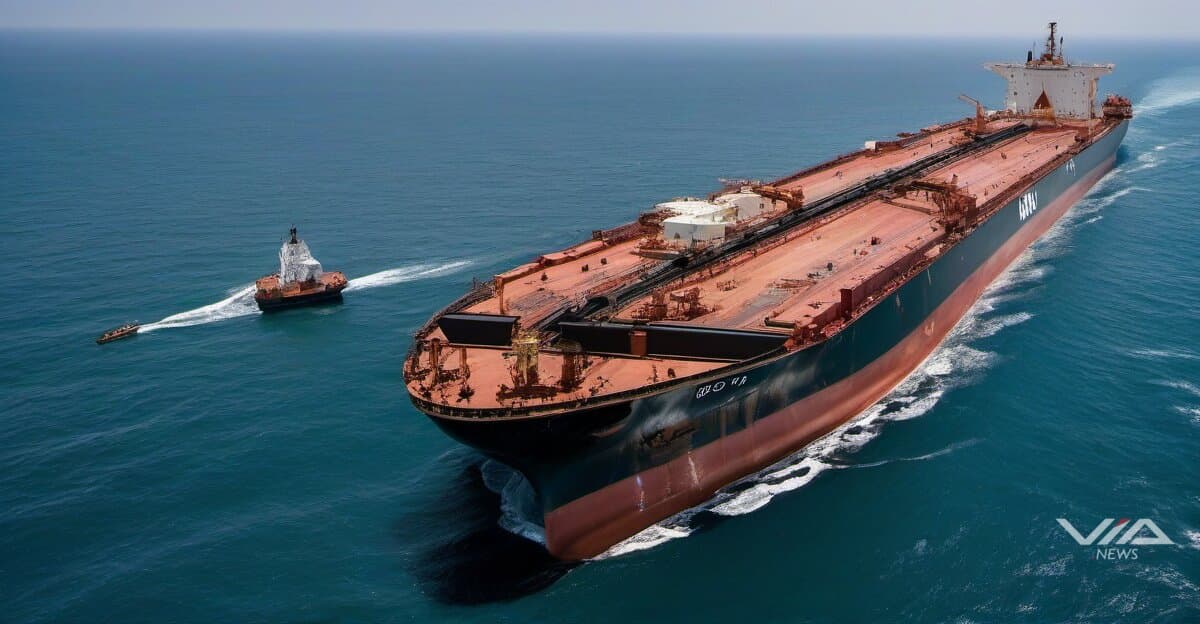
A blockade in the Strait of Hormuz has removed approximately 20 million barrels per day from global markets, the largest supply disruption ever measured.1 The shock drove WTI crude oil prices sharply higher on March 6, 2026, triggering elevated volatility across commodity and equity markets.
Nikos Tzabouras warns that the supply disruption tailwind could ultimately turn into a demand destruction headwind.2 The US has signaled a four-to-five-week military campaign to address the crisis,2 but sustained high energy prices during this period may trigger reflationary pressures that weigh on global growth already facing tariff headwinds.2
The dual squeeze of rising input costs and trade barriers threatens to compress corporate margins and dampen consumer spending power. Energy-intensive industries face immediate cost pressures, while broader inflation could force central banks to maintain restrictive policy longer than markets anticipated.
Scott Wren notes that geopolitical situations affecting oil prices, particularly in the Middle East and Ukraine-Russia theaters, will have the largest impact on financial markets.3 The current crisis exemplifies this dynamic, with the Hormuz chokepoint controlling roughly one-fifth of global oil flows under normal conditions.
Market participants are weighing two competing forces: short-term supply constraints that benefit energy producers against medium-term demand erosion as high prices slow economic activity. The transition point between these phases will determine whether the crisis remains a sector-specific shock or metastasizes into a broader growth slowdown.
Banks and investment firms are adjusting portfolio allocations in response to the dual risks of inflation resurgence and growth deceleration. The path forward depends largely on how quickly the Hormuz situation resolves and whether oil prices retreat before inflicting lasting damage on consumption patterns.