
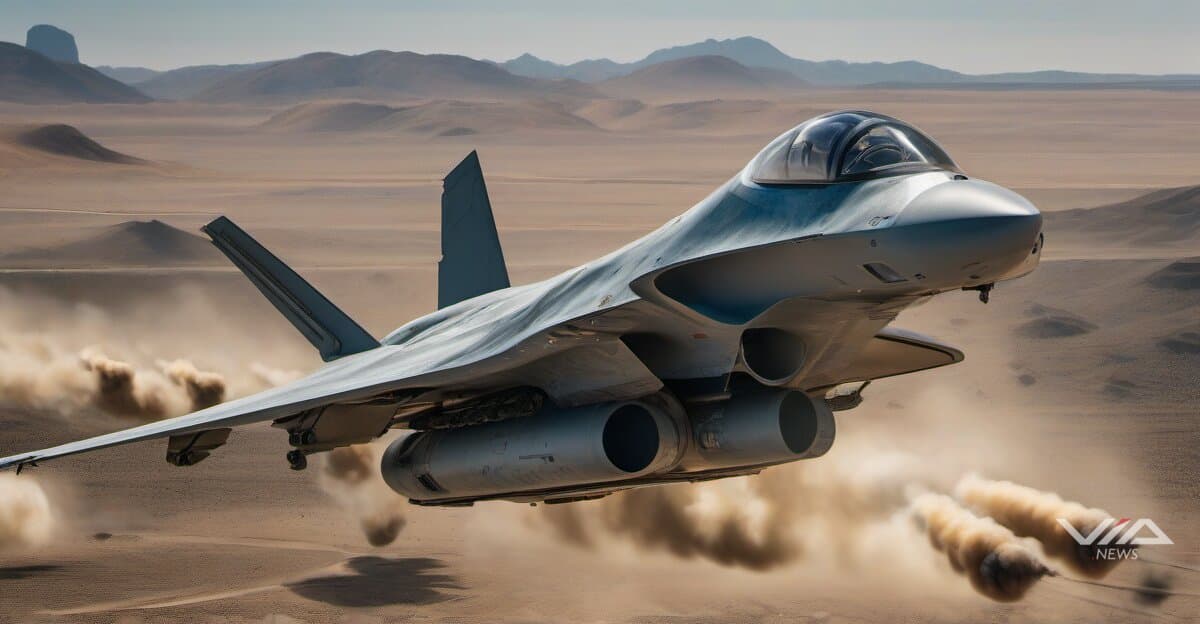
The U.S. Army has signed a framework agreement with Appian to deploy enterprise AI solutions across defense operations, marking the latest government commitment to large-scale AI infrastructure. The deal follows VisionWave's rollout of its Evolved Intelligence system, a hierarchical AI platform designed for air and ground defense applications.
An aerospace manufacturer secured a seven-figure contract in January 2025 for AI defense systems, pushing enterprise AI adoption beyond software into hardware partnerships. Intel and NVIDIA announced a custom Xeon collaboration targeting specialized AI workloads, a sign that chip makers are shifting resources toward defense and government-specific computing demands.
Hierarchical AI systems—which layer multiple AI models to handle complex, multi-domain tasks—are gaining traction in defense because they allow compartmentalized security and specialized processing. VisionWave's Evolved Intelligence architecture uses this approach to coordinate surveillance, threat assessment, and response protocols across air and ground units simultaneously.
The defense AI market is projected to reach $18.6 billion by 2028, growing at 13.4% annually, according to industry analysts. Government contracts now account for 42% of enterprise AI spending in the U.S., up from 31% in 2023. The shift is driven by national security priorities and the need for AI systems that can operate in restricted, high-stakes environments.
Custom chip partnerships like the Intel-NVIDIA Xeon deal reflect the hardware demands of hierarchical AI. These systems require processors that can handle parallel workloads—running multiple AI models at once—without bottlenecks. Standard consumer chips lack the processing power and security features needed for defense applications.
The Appian-Army agreement includes provisions for AI-driven logistics, predictive maintenance, and decision support systems. Appian's platform integrates with existing military software, a key requirement for government buyers who need AI that works with legacy systems. The company did not disclose contract value but confirmed multi-year deployment timelines.
For investors, defense AI contracts signal sustained enterprise demand beyond the consumer AI boom. Companies building hierarchical systems, custom processors, and secure AI infrastructure are positioned to capture government spending as agencies accelerate digital transformation.