
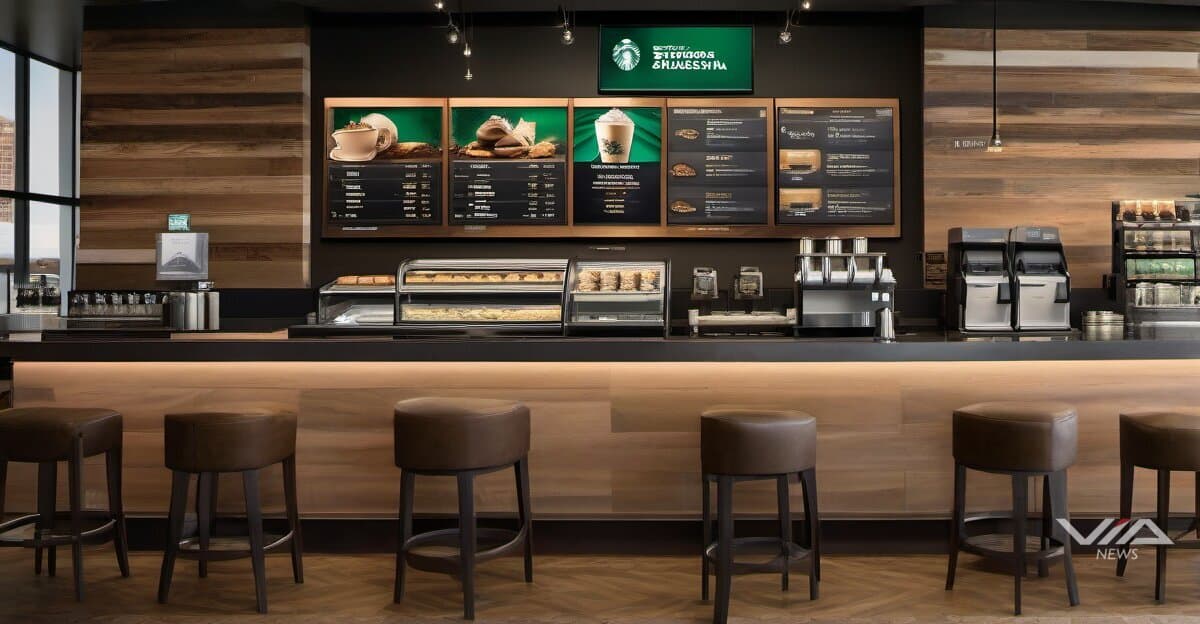
Starbucks is not tweaking its way back to growth. It is rebuilding.
The Seattle-based coffee chain has laid out fiscal 2028 financial targets alongside a slate of operational programs — NextGen POS, Uplift Remodel, Mastrena III, and the labor initiative dubbed Starting Five — in what amounts to the most comprehensive strategic reset the company has undertaken in years. The scope and simultaneity of these programs carry a clear message to Wall Street: this is a multi-year project, and the costs come before the gains.
The Hardware and Software Backbone
At the core of the turnaround is a two-pronged technology push. The NextGen point-of-sale system is designed to accelerate throughput, reduce order errors, and integrate more seamlessly with the company's mobile ordering infrastructure — a critical pressure point during peak hours that has long frustrated both baristas and customers. Faster, more accurate transactions translate directly into higher ticket velocity per store, and management appears to be betting that the investment pays back through volume recovery.
Complementing the digital overhaul is the Mastrena III espresso machine rollout. The Mastrena line has been central to Starbucks' bar operations for over a decade, and the third-generation iteration is expected to improve drink consistency, reduce machine downtime, and — importantly — lower the skill threshold required for baristas to produce high-quality beverages consistently at scale. In a labor environment where turnover remains elevated across the service sector, equipment that is more intuitive and reliable is not merely a convenience; it is a margin lever.
Remodels and Labor: The Capital Intensity Question
The Uplift Remodel program adds a significant capital expenditure dimension to the plan. Refreshing store formats to better accommodate mobile pickup flows, improve customer dwell experience, and modernize the physical environment is necessary — but expensive. Combined with capital outlays for new POS hardware and espresso equipment across thousands of locations globally, Starbucks is entering what analysts should model as a sustained capex cycle.
The Starting Five labor initiative rounds out the package with a focus on staffing structure, likely addressing scheduling consistency and minimum guaranteed hours — areas where the company has faced criticism and that directly affect customer service quality during high-traffic windows.
The Financial Trajectory: Pain Before Gain
Setting public targets for fiscal 2028 while simultaneously announcing this volume of investment programs is a deliberate act of expectation management. Starbucks is signaling that margin compression in the near term — likely through fiscal years 2025 and 2026 — is the price of admission for a more durable recovery. The 2027 period is framed as an inflection point, with the 2028 targets representing the destination.
For investors, the strategic logic is coherent. Starbucks retains formidable brand equity, a loyal customer base, and global scale that smaller competitors cannot replicate. If the operational programs execute as intended, the combination of faster service, more consistent product quality, and modernized store environments could meaningfully close the gap between Starbucks' current performance and its historical margin profile.
The confidence level assigned to this reset playing out as planned sits at approximately 68% — a figure that reflects both the credibility of the strategy and the very real execution risks inherent in transforming operations across tens of thousands of stores simultaneously.
Starbucks has placed a large, multi-year bet on the idea that better machines, better software, and better-structured labor will get customers back in line — and keep them there.