
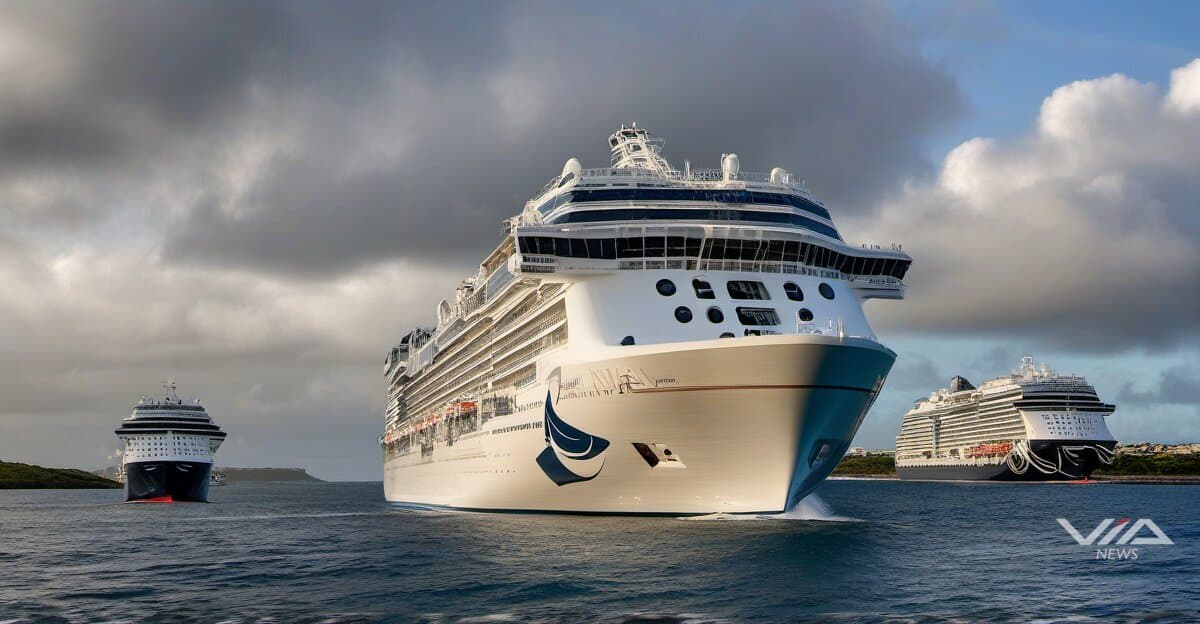
Norwegian Cruise Line will station Norwegian Prima and Norwegian Viva in San Juan, Puerto Rico for the winter 2027/28 season, marking the first time the cruise operator has homeported two Prima-class ships in one Caribbean port simultaneously.
The Prima-class vessels, each carrying 3,100 passengers at double occupancy, represent NCL's $2 billion fleet modernization program launched in 2022. Norwegian Prima entered service in August 2022, followed by Norwegian Viva in August 2023. Both ships feature 142,500 gross tons and prioritize outdoor deck space—20% more than prior NCL classes.
The San Juan deployment concentrates NCL's newest capacity in the Caribbean, where the company generates 45% of annual revenue. Norwegian Prima will operate 7-day southern Caribbean itineraries, while Norwegian Viva will run 7-day eastern Caribbean routes, according to booking data.
NCL's dual-ship strategy in San Juan follows Royal Caribbean's 2026 decision to homeport Oasis-class vessels year-round in Miami and Carnival's expansion of Port Canaveral capacity. The Caribbean cruise market reached 15.2 million passengers in 2024, up 8% from 2023, making it the industry's largest regional segment.
Prima-class ships cost approximately $1 billion each to build at Fincantieri's Italian shipyards. The vessels carry average ticket prices 15-20% higher than NCL's Breakaway-class ships, targeting premium leisure travelers rather than budget-conscious families.
San Juan's tax incentives for cruise operations and proximity to eastern Caribbean islands reduce fuel costs compared to Florida departures. NCL paid $12 million in port fees to Puerto Rico in 2024, its third-largest port expense after Miami and New York.
The deployment requires NCL to relocate older vessels currently serving Caribbean routes. Norwegian Escape, a Breakaway-Plus class ship, will likely shift to year-round European itineraries to avoid cannibalizing Prima-class bookings in overlapping markets.
NCL expects the winter 2027/28 Caribbean season to generate $850 million in revenue from San Juan operations alone, assuming 85% occupancy rates and $2,200 average revenue per passenger.