
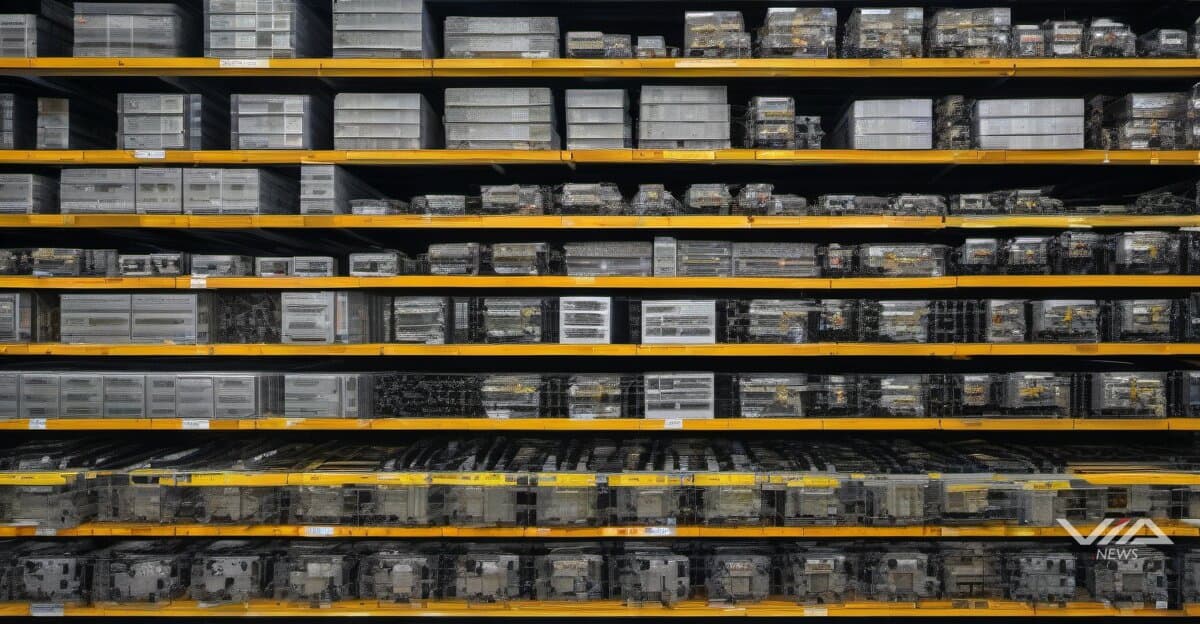
Nvidia has stopped production of H200 chips bound for China following new export controls from the Trump administration. The semiconductor giant now faces a permitting process for GPU exports, disrupting the AI hardware supply chain that powers commercial AI ventures globally.
The regulatory crackdown extends beyond chip exports. Oracle terminated its planned data center expansion with OpenAI, signaling corporate retreat from ambitious AI infrastructure projects amid heightened scrutiny. The cancellation eliminates a major computing capacity pipeline that would have supported OpenAI's scaling ambitions.
Anthropic faces designation as a supply chain risk by U.S. regulators, creating organizational tension for a company holding $10B in Nvidia investments. The AI safety-focused firm has resumed negotiations with the Pentagon after initial hesitation, attempting to navigate between commercial operations and national security requirements.
OpenAI lost its robotics leadership over disagreements regarding Pentagon partnerships. The departure highlights internal friction as AI companies balance commercial growth against defense sector entanglements that trigger regulatory complications.
The export controls create asymmetric impact across the AI sector. Companies with existing Chinese partnerships must restructure supply agreements, while pure-play domestic operators gain relative advantage. Nvidia's permitting process adds bureaucratic delays to chip deliveries, potentially spanning months per transaction.
Data center economics face immediate pressure. Oracle's withdrawal from the OpenAI deal suggests major cloud providers are reassessing AI infrastructure investments where regulatory risk outweighs projected returns. The compute capacity shortfall will force AI companies to compete more aggressively for limited approved hardware allocations.
Anthropic's dual status as both investment recipient and designated risk demonstrates the contradictions in current policy. The company can hold billions in semiconductor investments while simultaneously facing supply chain restrictions, creating operational uncertainty for investors and partners.
The fragmentation accelerates deglobalization of AI hardware markets. Chinese buyers will seek alternative suppliers or domestic chip development, while U.S. companies face constrained growth in the world's second-largest AI market. Nvidia's revenue exposure to China makes the production halt material for near-term earnings.