
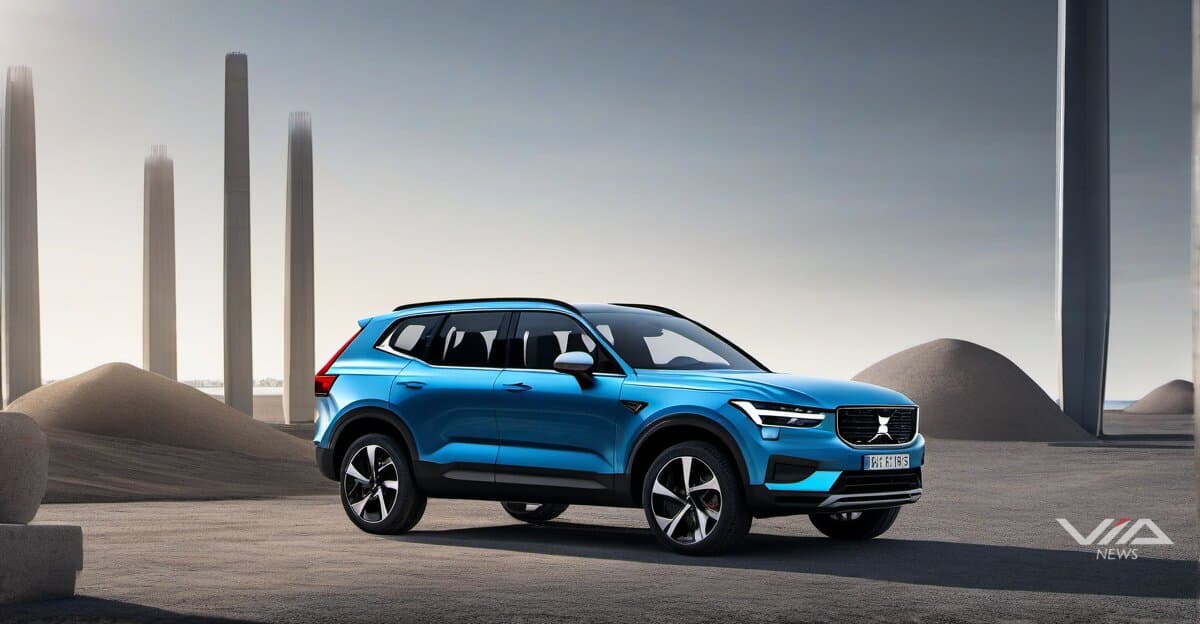
Polestar plans to launch the Polestar 7 compact SUV in 2028, positioning the vehicle in Europe's largest electric vehicle segment with local manufacturing to capture margin and volume growth.
The compact premium SUV category dominates European EV sales, accounting for roughly 30% of battery-electric registrations in 2025. Polestar's entry signals a capital reallocation from low-volume luxury models toward higher-turnover segments where Tesla Model Y and Volkswagen ID.4 compete.
European production eliminates tariff exposure and shortens supply chains. The decision contrasts with Polestar's current reliance on Chinese manufacturing, which faces 10% EU import duties and potential escalation amid trade tensions. Local assembly could improve gross margins by 3-5 percentage points while reducing logistics costs.
The Polestar 7 marks the brand's largest model offensive to date. Previous launches focused on the Polestar 2 sedan and Polestar 3 SUV, neither of which cracked 100,000 annual units. The compact SUV bet aims to triple addressable market size compared to current offerings.
Volvo Cars owns Polestar but has struggled to achieve profitability at the EV brand. The company reported negative operating margins in 2024 despite production increases. Volume scaling through mass-market segments represents the clearest path to breakeven, with industry analysts targeting 200,000+ annual units for sustainable economics.
Competition intensity remains high. BMW iX1, Mercedes EQA, and Audi Q4 e-tron already compete in the compact premium space with established dealer networks and customer bases. Polestar's direct-sales model offers margin advantages but limits physical presence compared to legacy brands with thousands of European dealerships.
The 2028 timeline suggests extended development cycles and cautious capital deployment. Most automakers announce EVs 18-24 months before launch; Polestar's four-year horizon indicates either early-stage engineering or deliberate market timing to avoid overcapacity.
Investor focus centers on whether Polestar can achieve scale before cash reserves deplete. The brand burned $400M+ in operating losses during 2024, requiring either Volvo capital injections or external funding to bridge to profitability. The Polestar 7's success will largely determine the brand's standalone viability beyond 2028.