
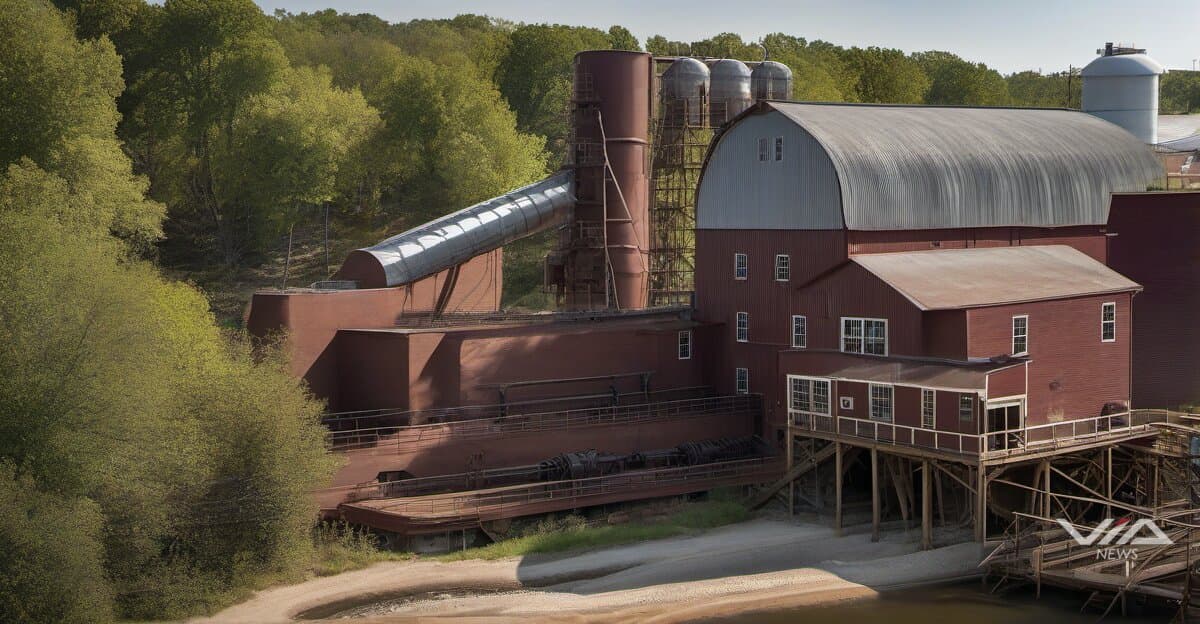
The Chillicothe Mill has ceased operations, removing a significant source of uncoated freesheet production capacity from the U.S. paper market. The closure eliminates all productive output from the facility.
Industry analysts assess the shutdown as a catastrophic operational risk with high probability of material impact on supply chains and stakeholders. The facility produced uncoated freesheet, a grade used primarily for office paper and commercial printing applications.
The capacity reduction is expected to improve operating rates at remaining mills. U.S. paper producers have faced persistent overcapacity in commodity grades, pressuring margins and forcing consolidation. Tighter supply conditions typically support price stability and profitability for surviving facilities.
The closure disrupts established supply relationships and forces customers to secure alternative sources. Procurement teams at commercial printers and corporate buyers must renegotiate contracts and qualify new suppliers. Lead times for uncoated freesheet orders may extend as remaining mills absorb displaced demand.
Local stakeholders face immediate financial consequences. The mill's workforce loses employment, reducing regional payroll and tax revenue. Suppliers of chemicals, energy, and logistics services lose a customer account. Property tax collections in the jurisdiction decline as the facility's assessed value drops to salvage levels.
Creditors and investors holding exposure to the mill face potential losses. Equipment and real estate values typically collapse after permanent closure, limiting recovery options. Any outstanding debt secured by the facility's assets will likely experience principal impairment.
The shutdown follows broader industry trends toward capacity rationalization. Paper demand has declined steadily due to digital substitution in communications and publishing. Producers have shuttered dozens of mills over the past decade to align supply with shrinking consumption.
Market participants will monitor whether the Chillicothe closure triggers additional shutdowns or consolidation activity. Surviving producers may gain pricing leverage if capacity exits outpace demand decline. Analysts will track operating rate data and price indices for uncoated freesheet grades in coming quarters.
The closure demonstrates the operational fragility facing commodity paper producers in a structurally declining market. Mills unable to achieve cost competitiveness or product differentiation face elimination as industry fundamentals remain challenging.