
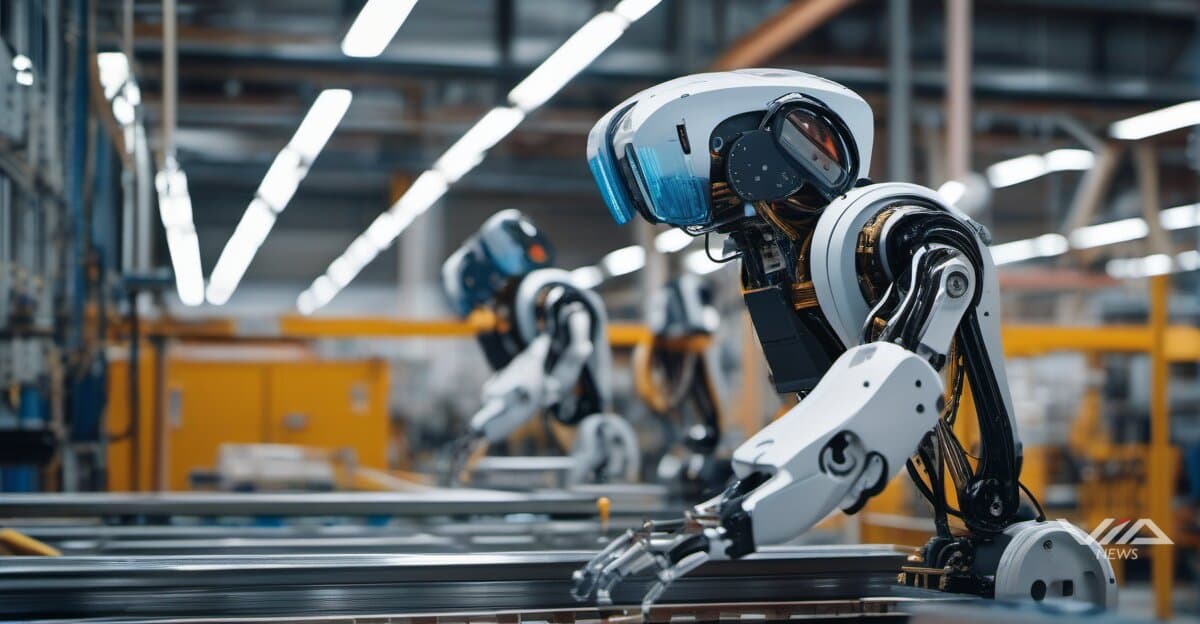
Americas industrial robot installations surpassed 55,000 units annually for three consecutive years through 2025, maintaining deployment momentum as manufacturers expand automation infrastructure. UK installations rose 51% year-over-year in September 2024, reflecting accelerated European adoption.
Battery technology partnerships are becoming essential enablers for mobile robot deployment. Hyundai, Kia, and Samsung SDI formed a collaboration to develop power systems specifically for industrial robotics applications. Electrovaya announced a dedicated robot battery system launching July 2025, targeting autonomous mobile robots and collaborative platforms.
The convergence is driving corporate investment patterns. A comprehensive Industrial Robot Battery Market Report released January 28, 2026 quantified the integration between energy storage manufacturers and robotics firms, identifying power density and cycle life as competitive differentiators.
Mobile robots require different battery specifications than stationary automation. Fast-charging capability, compact form factors, and operational longevity determine total cost of ownership for warehouse logistics and manufacturing transport systems. Battery partnerships allow robotics manufacturers to outsource energy system development while maintaining performance control.
Installation volumes suggest manufacturing automation budgets are prioritizing flexible systems over fixed infrastructure. Mobile robots represent growing share of deployments as facilities redesign workflows around reconfigurable automation rather than dedicated assembly lines.
The sustained 55,000-unit threshold in Americas installations indicates stable demand despite economic headwinds. UK's 51% September surge points to regional variance in adoption curves, potentially driven by labor availability and wage pressures in specific manufacturing sectors.
Battery technology remains a constraint for scaling mobile robot fleets. Current lithium-ion systems deliver 2,000-4,000 charge cycles, limiting operational economics for 24/7 manufacturing environments. Partnerships between automotive battery suppliers and robotics firms aim to adapt electric vehicle power technologies for industrial duty cycles.
Corporate investment flows are increasingly tied to integrated automation solutions rather than standalone robot purchases. Companies evaluate total system costs including charging infrastructure, battery replacement schedules, and energy management software when budgeting for mobile automation deployments.