
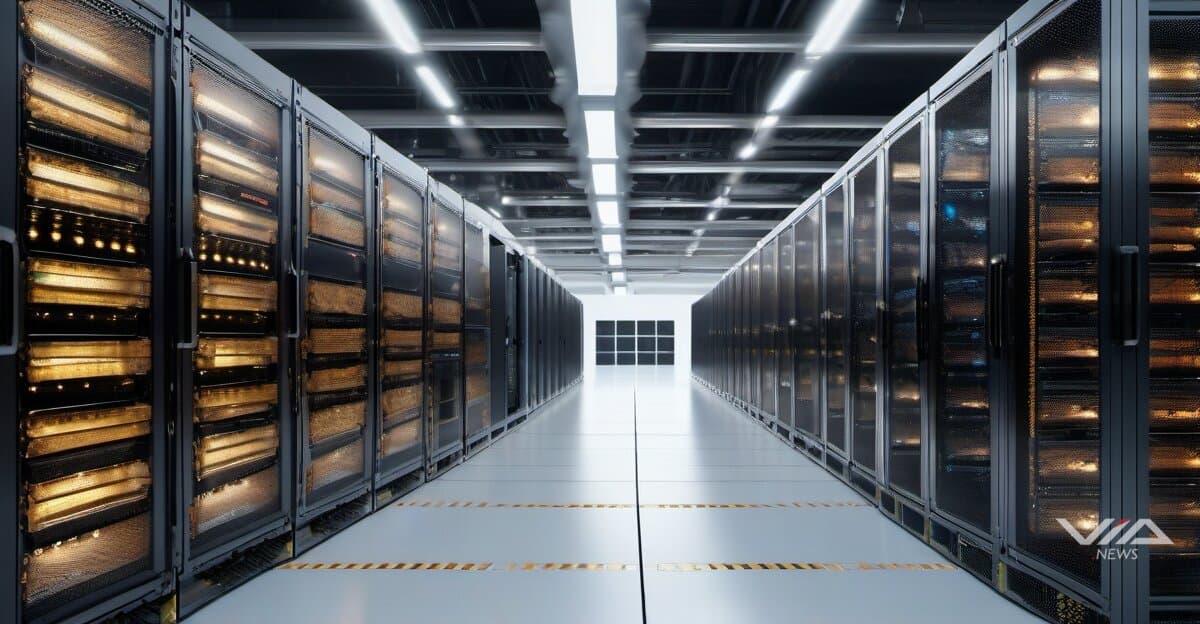
AI infrastructure deployment bottlenecks have shifted from semiconductor supply to data center capacity, prompting cloud providers to build their own facilities. CoreWeave confirmed that powered shell infrastructure—not power availability or chips—now drives project delays.
The company embedded self-build capabilities into its supply chain after recognizing infrastructure constraints. This vertical integration moves CoreWeave closer to physical asset control, reducing dependence on third-party data center operators.
CoreWeave diversified its data center provider network to manage supply constraints. The strategy targets deployment acceleration rather than cost reduction, as enterprise AI customers face extended wait times for compute capacity.
Management projects Q1 2026 resolution for the majority of current delays. This timeline suggests data center construction cycles—not chip production—now pace AI infrastructure scaling.
The infrastructure shift raises capital requirements for AI cloud providers. Building data centers demands higher upfront investment than leasing capacity, changing the competitive landscape toward players with stronger balance sheets.
Traditional hyperscalers like AWS and Google Cloud already own extensive data center networks, giving them structural advantages as infrastructure constraints tighten. Specialized AI providers must now match these capabilities to maintain growth.
Power availability remains adequate for current deployment plans, contrary to widely cited constraints. The binding constraint is construction capacity for powered shells—the buildings and cooling systems that house compute equipment.
This dynamic creates opportunity for construction firms and electrical infrastructure suppliers. Data center build-outs require specialized contractors, transforming AI investment from pure technology spending into construction and real estate exposure.
Enterprise AI adoption costs now include infrastructure lead times extending 12-18 months. Companies planning large-scale AI deployments must account for both hardware expenses and facility construction timelines in their capital planning.
The vertical integration trend may consolidate the AI cloud market. Providers unable to self-build face persistent capacity constraints, while those investing in infrastructure gain competitive moats through guaranteed supply.