
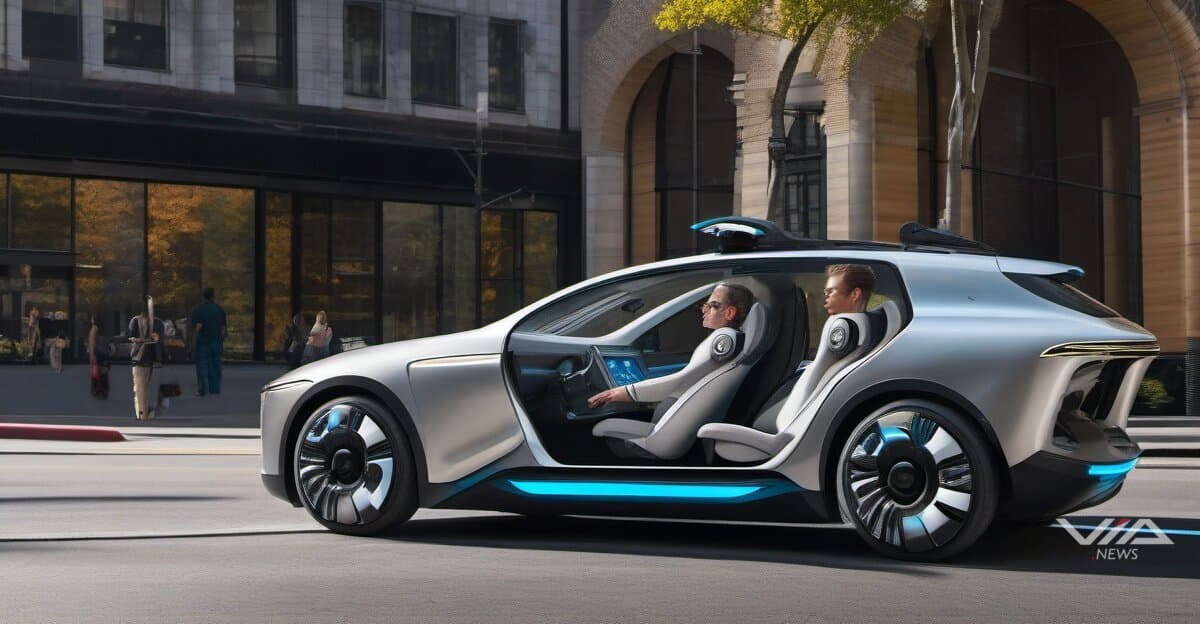
WeRide reached breakeven unit economics in its autonomous vehicle operations while scaling international deployments, marking a turning point for robotics commercialization. The company's profitability milestone comes as the industry enters what analysts describe as a critical 2026-2028 commercialization window.
Venture capital is shifting toward robotics platforms as AI talent leaves established firms. Researchers from OpenAI and tech giants are joining robotics startups, betting on near-term commercial viability over pure AI development. This migration pattern mirrors pre-commercialization movements in prior technology cycles.
Mobileye acquired Mentee Robotics to access humanoid technology, with Prof. Lior Wolf stating the deal provides "unparalleled AI infrastructure and commercialization expertise" for scalable humanoid solutions. The acquisition reflects growing corporate confidence in humanoid robotics timelines.
Tesla is targeting robotaxi production launches while preparing to sell humanoid robots directly to consumers. The dual-platform approach positions the company across both autonomous vehicle and humanoid markets simultaneously.
Chinese robotics firms are expanding in Middle East markets. In Saudi Arabia, automation systems are supporting logistics, smart manufacturing, healthcare, and smart city infrastructure. Mohammed Alsolami noted these platforms let companies "experiment, pilot, and scale automation solutions in months instead of years."
Nuro completed autonomous on-road testing as part of its safety validation framework, developed through years of commercial deployments. The company's testing follows established protocols from operational autonomous services.
Component costs are dropping rapidly. Hesai Technology is targeting sub-$200 price points for next-generation ATX LiDAR systems, down from current levels exceeding $500. The automotive LiDAR market is projected to reach $25.75 billion by 2035 as series production adoption accelerates.
The convergence of breakeven economics at WeRide, corporate acquisitions of humanoid startups, and falling hardware costs indicates robotics commercialization is advancing faster than previous forecasts. Venture investors are repositioning capital toward companies with clear paths to revenue rather than pure research plays.