
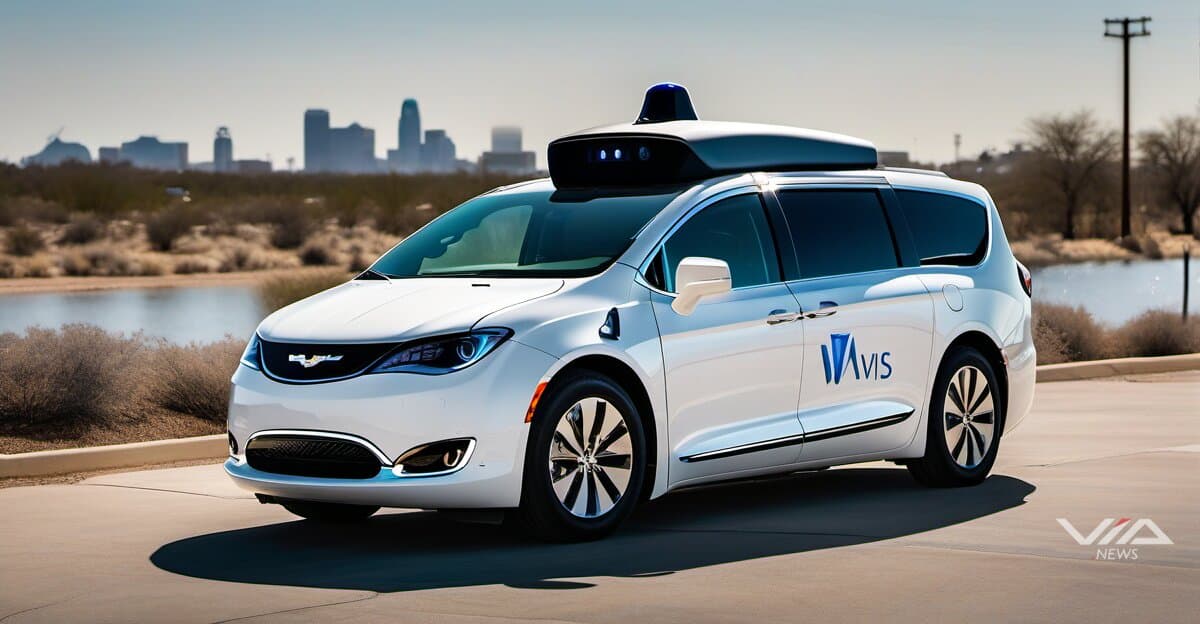
Waymo has contracted Avis Budget Group to handle fleet management for its autonomous ride-hailing service in Dallas. The partnership marks the autonomous vehicle operator's move from pilot-stage operations to commercial infrastructure deals with established automotive service providers.
The Avis Budget agreement covers vehicle maintenance, cleaning, and staging operations for Waymo's Dallas fleet. Waymo currently operates autonomous ride-hailing in Phoenix and San Francisco, with Dallas representing its third major market expansion.
Fleet management partnerships address a core challenge for autonomous vehicle operators: the capital intensity and operational complexity of maintaining vehicles across multiple cities. Traditional car rental companies possess existing infrastructure—parking facilities, maintenance bays, and logistics networks—that robotaxi operators would otherwise need to build from scratch.
Avis Budget operates 11,000 locations globally with established vendor relationships for parts, service, and real estate. The company's fleet management division already handles commercial vehicle operations for corporate clients, providing a template for autonomous vehicle support services.
The partnership structure suggests autonomous vehicle operators are prioritizing speed-to-market over vertical integration. Rather than constructing proprietary maintenance facilities in each new city, companies like Waymo are contracting operational tasks to third parties with local presence.
This operational model parallels early ride-hailing expansion, where Uber and Lyft relied on existing driver pools rather than employee fleets. For autonomous vehicles, the equivalent resource is maintenance and staging infrastructure, not human labor.
Traditional automotive service providers face margin pressure from electric vehicle adoption, which requires less frequent maintenance than combustion engines. Fleet management contracts for autonomous vehicles offer a revenue channel as legacy business lines contract. Avis Budget's stock has underperformed the S&P 500 by 40% over three years as rental demand normalized post-pandemic.
Waymo's Dallas launch timing coincides with regulatory approvals for commercial autonomous vehicle operations in Texas. The company received permission to operate commercially in the state in late 2025, following years of testing. Multi-city expansion requires replicable operational models rather than bespoke infrastructure in each market.