

Nvidia announced at its GTC conference a projection of $1 trillion in chip sales through 20271, triggering accelerated capacity expansion across the semiconductor industry. The forecast reflects surging corporate demand for AI training and inference hardware.
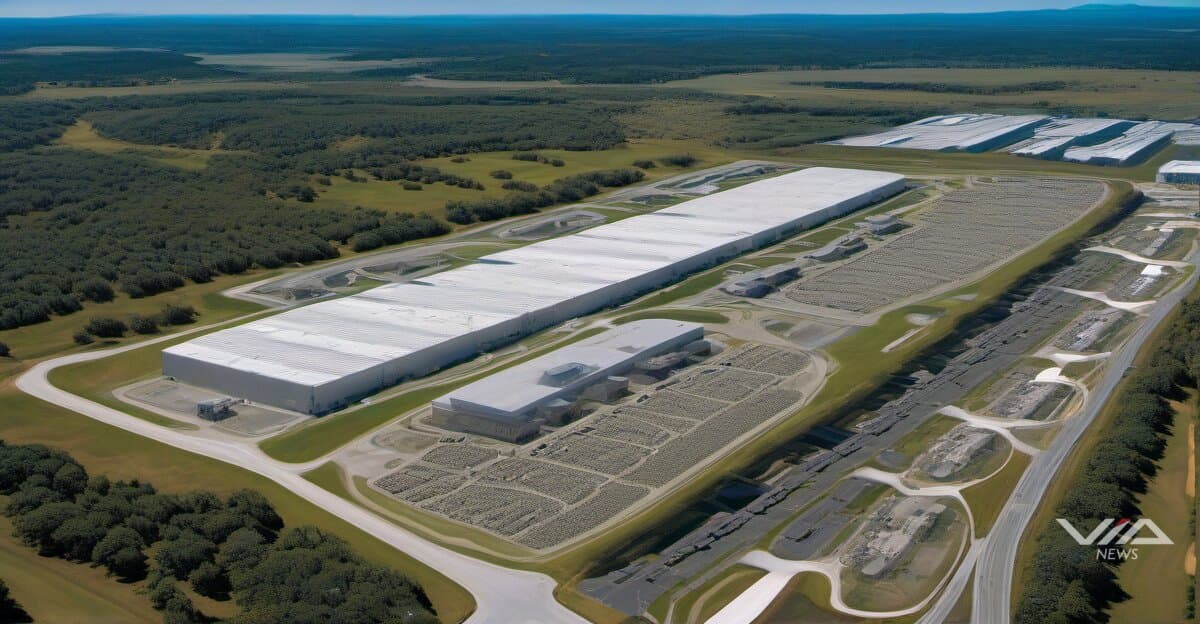
Micron is acquiring new fabrication facilities to scale High-Bandwidth Memory production2, a critical component for high-performance AI accelerators. Meta separately committed $12 billion to AI infrastructure partnerships1, signaling continued enterprise investment in proprietary computing capacity.
The expansion encompasses both established AI chip categories and emerging architectures. Traditional GPU manufacturers and producers of specialized AI accelerators like Tranium are scaling existing product lines. Simultaneously, startups are developing alternative approaches including photonic chips and inference-optimized Language Processing Units designed for specific AI workloads.
Olix, a developer of photonic semiconductor technology, plans to ship its first commercial product in 20272. The company represents a category of firms pursuing optical computing architectures that promise lower power consumption and higher bandwidth compared to electronic chips.
The investment wave reflects corporate expectations that AI model complexity and deployment scale will continue growing through the decade. High-Bandwidth Memory supply has emerged as a potential bottleneck, explaining Micron's facility acquisitions. Memory bandwidth limits performance in large language model training and inference applications.
The semiconductor buildout carries execution risks. Fabrication facility construction requires multi-year timelines and capital expenditures exceeding $10 billion per advanced logic fab. Demand forecasting errors could leave manufacturers with excess capacity if AI adoption slows or efficiency improvements reduce chip requirements per workload.
Meta's infrastructure commitment suggests large technology companies are securing supply through direct partnerships rather than relying solely on cloud providers. This vertical integration trend could reshape data center chip purchasing patterns and pricing dynamics through 2027.