
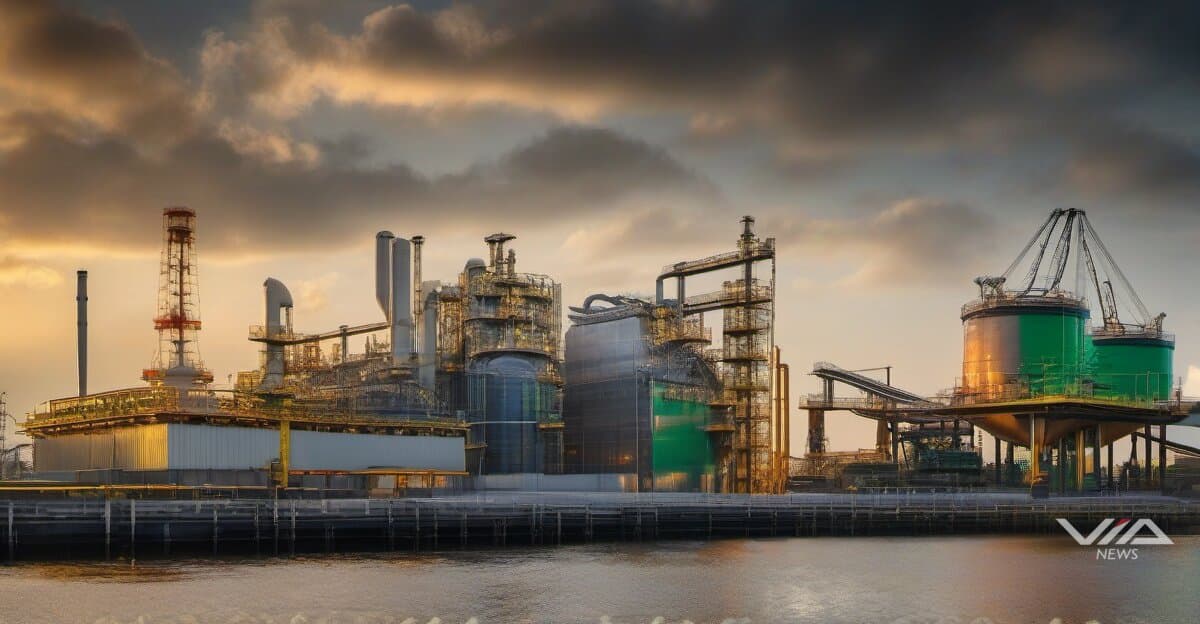
The Netherlands pushed back its green gas blending obligation start date to January 2027, one year later than planned, while raising the initial year's blending targets. The regulatory shift affects utility companies and renewable energy investors operating biogas facilities across the eurozone.
Ellomay Capital Ltd. (NYSE American: ELLO), which holds biogas assets in the Netherlands, disclosed the delay in its Q3 2025 earnings report. The company posted €759.4M in total assets as of September 30, 2025, up from €677.3M at year-end 2024.
The revised mandate requires higher green gas volumes in 2027 than originally planned for 2026. This creates uncertainty for biogas producers who secured financing based on 2026 revenue assumptions. Companies must now hold operational costs an additional year while preparing for steeper production targets.
Ellomay's Netherlands biogas operation generated €10.9M in revenues during the nine months ended September 30, 2025, with gross profit of €5M. The facility represents part of the company's broader renewable energy portfolio spanning Italy, Spain, and the United States.
Green gas blending obligations force utilities to mix renewable biogas into natural gas networks at mandated percentages. The Netherlands joins Germany and France in implementing such requirements, creating a regulatory framework that shapes investment decisions across European renewable gas markets.
The delay impacts project financing for biogas facilities under development. Banks typically structure loans around regulatory compliance deadlines. A one-year postponement extends the period before mandated demand kicks in, potentially requiring covenant renegotiations.
Ellomay reported €8.5M in profit for the nine months ended September 30, 2025, compared to €3.3M in the same period of 2024. The company's Netherlands biogas segment showed stable performance despite the regulatory uncertainty, with segment assets totaling €103M.
European renewable gas investments face headwinds from inconsistent regulatory timelines across member states. The Netherlands' decision to delay but increase targets creates a different risk profile than gradual implementation schedules in neighboring countries.
Investors in renewable gas infrastructure must factor longer payback periods into their models. The January 2027 start date gives existing natural gas suppliers additional time to secure supply contracts before blending becomes mandatory.