
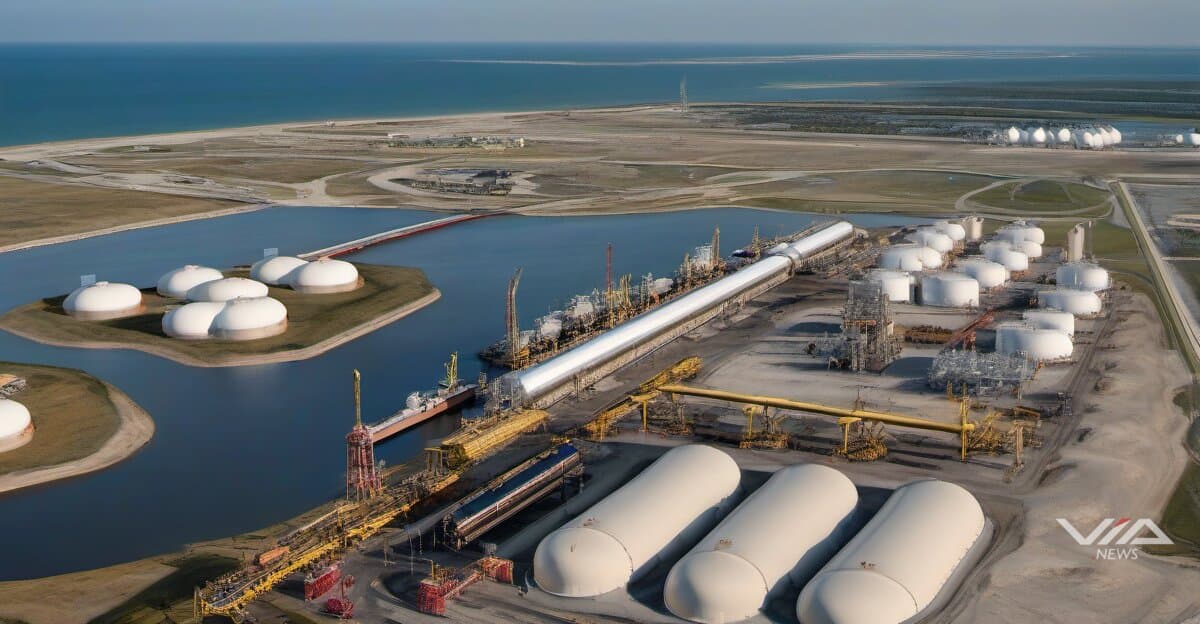
MPLX LP is building a 400,000 barrels-per-day LPG export terminal on the Gulf Coast, targeting a 2028 startup date. The facility will handle liquefied petroleum gas shipments as U.S. producers ramp up propane and butane extraction from oil and gas wells.
The terminal represents a major infrastructure bet on export growth. U.S. LPG exports hit record volumes in recent years as Asian buyers seek cleaner-burning fuels and petrochemical feedstocks. The Gulf Coast hosts most American LPG export capacity due to pipeline connections to production regions and deepwater port access.
MPLX operates as a midstream master limited partnership controlled by Marathon Petroleum. The company's business model focuses on fee-based infrastructure—pipelines, storage terminals, and processing plants that generate stable cash flows. Export terminals fit this strategy by charging fees for product handling and storage rather than taking commodity price risk.
The 2028 timeline suggests MPLX is securing permits and finalizing engineering work. Large-scale energy terminals typically require three to four years of construction after regulatory approval. The project will likely include refrigeration units to convert propane and butane into liquid form for tanker loading, plus storage tanks and marine berths.
Capital expenditure for the terminal has not been disclosed. Comparable LPG export facilities built in recent years cost between $1 billion and $2 billion depending on capacity and site conditions. MPLX may seek joint venture partners to share construction costs and offtake commitments.
The facility adds to a wave of Gulf Coast energy infrastructure expansion. Developers are building or expanding terminals for crude oil, natural gas liquids, and liquefied natural gas as U.S. production climbs. Competition for construction labor, equipment, and marine access has intensified.
LPG demand growth centers on Asia, where propane fuels residential heating and cooking while petrochemical plants use it to make plastics. China, Japan, and South Korea are the largest importers. U.S. producers hold a cost advantage due to abundant natural gas liquids from shale drilling in the Permian Basin and Appalachia.
MPLX shares trade on the New York Stock Exchange under ticker MPLX. The partnership pays quarterly distributions to unitholders from operating cash flow.