
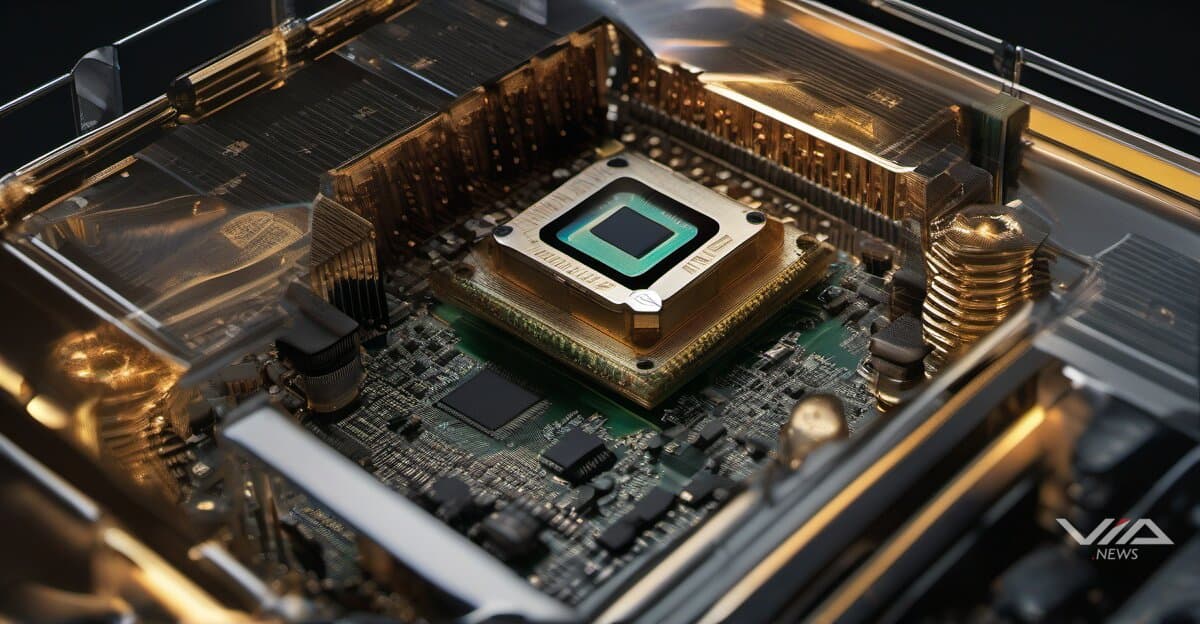
Memory chip supply is falling 3-4% short of demand as AI infrastructure buildout strains semiconductor production capacity. Prices have turned parabolic, marking an unprecedented supply-demand imbalance in the sector.
Inspire Semiconductor is developing high-performance accelerated computing solutions for AI and HPC workloads, including quantum compute-in-memory architectures for datacenter applications. The company targets compute-intensive workloads and graph analytics as hyperscalers expand AI training and inference capacity.
Wolfspeed supplies silicon carbide semiconductors for high-voltage onboard power systems in electric vehicles, directly supporting OEMs and Tier 1 partners including Toyota's EV platforms. Silicon carbide has become the industry standard for automotive clean energy transitions, but the technology also serves AI infrastructure power management needs.
STMicroelectronics offers complete secure connectivity portfolios supporting Aliro 1.0 configurations from NFC-only to NFC plus Bluetooth LE and UWB for hands-free access. "ST enables customers to accelerate development and confidently bring next generation access solutions to market," said Luca Verre, citing decades of security and connectivity experience.
Francesco Grilli highlighted collaboration with Grab, OPPO, and Swift Navigation as "an important innovation in bringing high accuracy positioning to mobile devices." The partnership demonstrates ongoing semiconductor innovation in GPS and location services despite supply constraints.
The crisis affects companies across the semiconductor value chain. Memory chip makers cannot scale production fast enough to meet AI training demands, while logic chip designers rush next-generation architectures to market. Power management semiconductor suppliers face surging orders from both EV manufacturers and datacenter operators building AI infrastructure.
Financial stress compounds technical challenges. Capital equipment lead times stretch beyond normal cycles while R&D spending accelerates to maintain competitive positions in AI-optimized chip design. The sector faces simultaneous pressure to increase production capacity and advance architectural innovation.
Industry observers classify the situation as "peaking" with deteriorating sentiment as companies balance growth opportunities against execution risks in an overheated market.