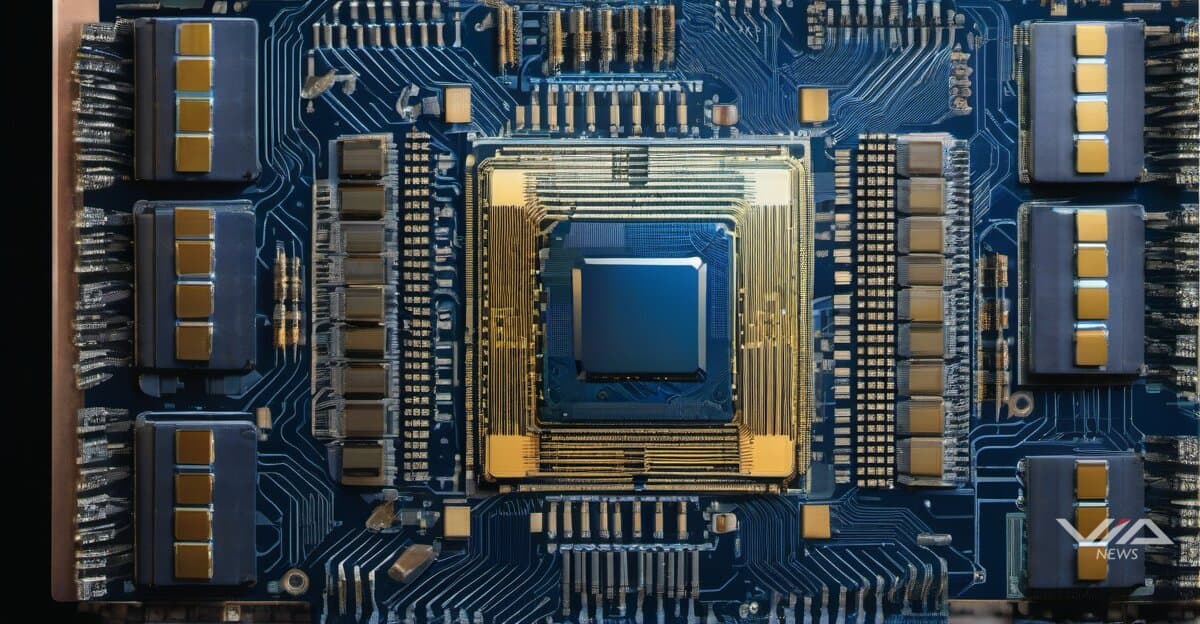
Enterprise clients are increasing adoption of AI tools, driving demand for custom chips that power data centers, according to Marvell Technology Inc.1 The shift reflects growing infrastructure requirements as companies deploy AI applications at scale.
Samsung Electronics is advancing its chip roadmap alongside network infrastructure plans. The company announced the Snapdragon 8 Elite Gen 5 for Galaxy, which delivers performance improvements on the Galaxy S26 Ultra.2 Samsung is accelerating the transition toward fully autonomous networks by 2027.2
Supply chain dynamics are shifting as U.S. regulatory actions take effect. New rules banning Chinese rare earth materials in defense systems become effective in 2027, forcing semiconductor manufacturers to restructure procurement strategies. The move impacts companies relying on Chinese-sourced materials for critical components.
Manufacturing capacity expansion is underway domestically. Micron and other chipmakers are investing in U.S. production facilities to reduce dependence on overseas supply chains. The investments align with government incentives promoting domestic semiconductor manufacturing.
Advanced packaging technology is advancing rapidly in Asia. LG Innotek and Samsung Electro-Mechanics are competing to commercialize glass substrate technology, which enables higher density chip packaging and improved thermal performance. The race reflects industry pressure to support next-generation AI processors requiring advanced packaging solutions.
Samsung has been supporting satellite communication with select Galaxy flagship smartphones and Galaxy A series models starting from 2025.2 The company also introduced Privacy Display, described as the world's first built-in privacy display for mobile devices.2
The semiconductor industry faces dual pressures: meeting surging AI-driven demand while navigating geopolitical supply chain constraints. Companies are balancing technology advancement with supply security, investing in both chip performance and manufacturing resilience. The 2027 deadline for defense-related material restrictions adds urgency to restructuring efforts.
Custom AI chip development represents a strategic priority for major semiconductor firms. Marvell, AMD, and Samsung are advancing specialized processors tailored to enterprise workloads. The custom approach contrasts with general-purpose chips, offering optimized performance for specific AI applications.