
Friday, October 16, 2026

Gold Fields' Damang Mine Enters Final Phase as Ghana Operation Shifts to Stockpile Processing

Gold Fields halted active mining at its Damang operation in Ghana in early 2025, transitioning to stockpile processing as the ore body reaches economic depletion. The shift marks a critical end-of-life phase for the mine, raising questions about asset retirement obligations and workforce impacts. Ghana's mining sector faces similar transitions as aging operations deplete reserves.

Gold Fields' Damang Mine Enters Final Phase as Ghana Operation Shifts to Stockpile Processing
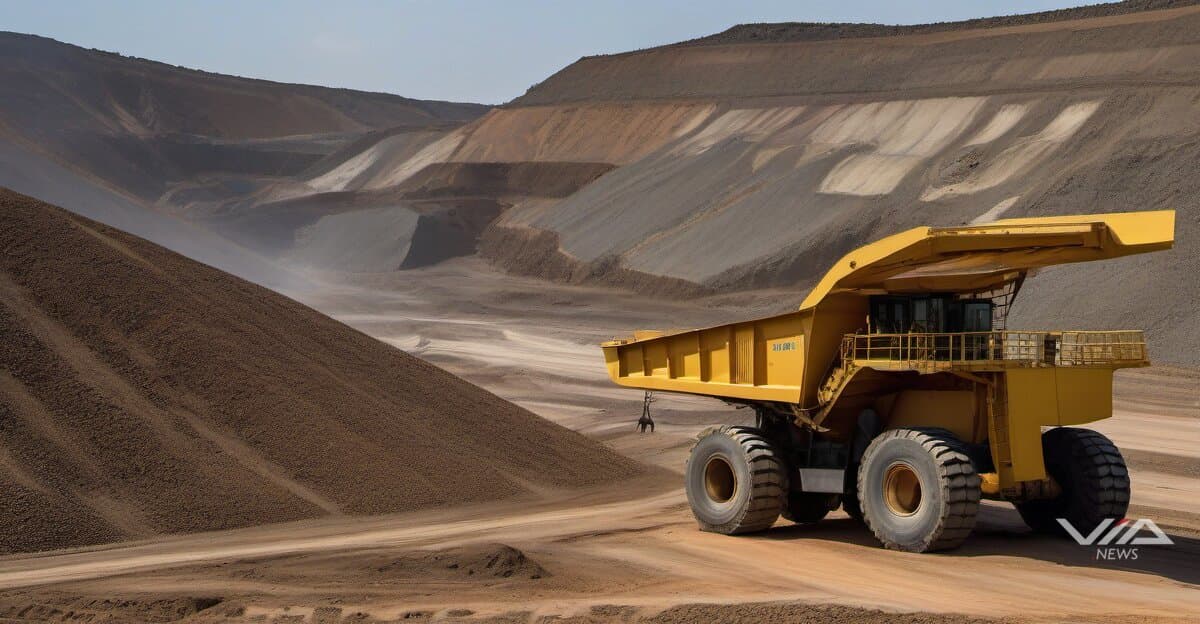
Image generated by AI for illustrative purposes. Not actual footage or photography from the reported events.

Gold Fields stopped mining operations at Damang in Ghana during early 2025, with the site now processing remaining stockpiles as the ore body nears exhaustion. The transition signals the mine has entered its final phase before closure.

The company faces substantial asset retirement obligations as the operation winds down. Mine closure costs typically include land rehabilitation, equipment decommissioning, and environmental remediation. Gold Fields has not disclosed specific provision amounts for Damang's closure, though industry standards suggest costs can reach 5-15% of total capital invested over a mine's lifetime.

Damang's workforce will see reductions as stockpile processing requires fewer personnel than active mining. The operation employed several hundred workers during full production. Local communities dependent on mine employment face economic disruption as operations phase out.

The mine's depletion carries financial implications for Gold Fields' Ghana portfolio. The company operates multiple assets in the country, with Damang representing a declining contribution to total production. Investors will scrutinize whether remaining stockpile processing generates positive cash flow or simply manages shutdown costs.

Ghana hosts numerous gold mines approaching similar end-of-life transitions. The country produced 129 metric tons of gold in 2024, with several operations reaching reserve depletion. Mine closures create fiscal challenges for Ghana's government, which collected $439 million in mining royalties in 2024.

Gold Fields must navigate regulatory requirements for mine closure in Ghana, including securing bonds for rehabilitation work. The Ghana Minerals Commission oversees closure planning and environmental restoration standards. Incomplete rehabilitation can result in financial penalties and legal liabilities extending years beyond operations.

The Damang transition reflects broader industry dynamics as gold miners balance depleting reserves against exploration costs. Companies face decisions on whether to invest in extending mine life through exploration or allocate capital to more prospective assets. Gold Fields has prioritized growth in Australia and other regions over aging West African operations.

What we know · the intelligence behind this page
Live from the substrate
What we're seeing
Q4 2026 Biopharma Catalyst Cluster: Late-Stage Readouts and Regulatory Milestones
October 2026 brings a dense run of Phase 3 wins (ALOFT-IPF, RESTORE-3), new data presentations (Roche, Bayer, Lilly, Vertex, Galderma) and regulatory steps (FDA acceptance of Roche's vamikibart BLA, Scholar Rock's EMA resubmission). The next big catalyst is the ivonescimab FDA PDUFA date on 2026-11-14. Obesity combination studies (REDEFINE 4, TOGETHER-PsO) and the 2027 Maritime-1 completion point to more catalysts ahead. QAIAx's speculative AI-linked trial claims (the QIII pilot, targeted for 2027) are an unrelated micro-cap sideshow with weak evidence, and have little in common with the large-cap pipeline news.
Our read on the data ›
Signals we're tracking
EPKINLY Regulatory-Clinical Success Cascade
High probability of expanded label indications, additional combination approvals, and competitive positioning strength in follicular lymphoma market. Predicts positive commercial uptake and potential accelerated review for related indications.
Patterns we're watching ›
Where sources disagree
ING Group
Both facts record the same metric (shares_outstanding) for ING Group at the identical observation date (2025-12-31). FACT A states 2,902,437,688 shares; FACT B states 2,902 million shares (2,902,000,000). The difference is 437,688 shares (~0.015%). This is a genuine value conflict, though the discrepancy appears to result from FACT B rounding to the nearest million while FACT A provides the precise count.
We flag conflicts openly ›
Recently verified
✓ Checked against the original source
4,986
facts traced to their source — and we flag the ones that don't hold up.
101 entities tracked4,986 facts checked against source5,378 source documents archived
Query this data → isubstrate.com
Gold Fields' Damang Mine Enters Final Phase as Ghana Operation Shifts to Stockpile Processing | Finance Via News