
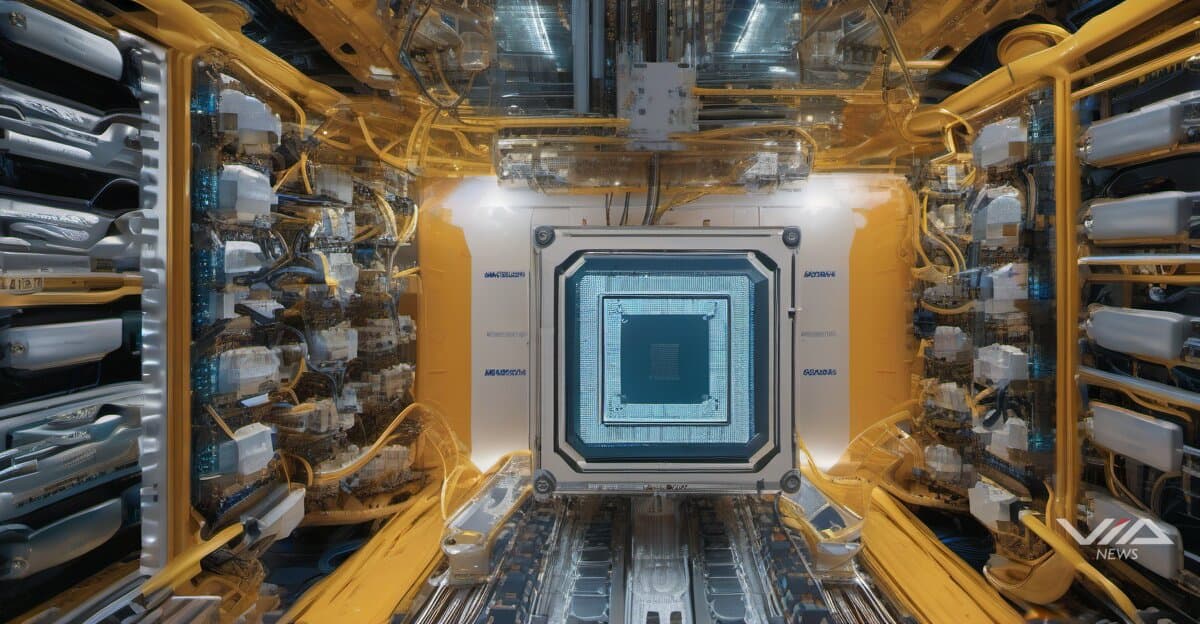
Amkor Technology, the largest U.S.-headquartered outsourced semiconductor assembly and test services provider, is executing a $2.5-3 billion capital expenditure program targeting advanced packaging capacity. The spending wave responds to AI infrastructure demand creating persistent tightness in memory and packaging supply chains.
AI data center buildouts are driving unprecedented demand for high-bandwidth memory (HBM) and DRAM, with shortages rippling across electronics sectors. Hyperscalers initially triggered by COVID-era supply panic have shifted to sustained AI infrastructure investments, fundamentally altering semiconductor demand patterns.
The current cycle differs from historical boom-bust patterns. Structural AI demand is creating persistent supply constraints despite manufacturer caution following the 2023 recovery. Advanced packaging has become critical infrastructure as chipmakers pursue performance gains through 3D stacking and heterogeneous integration.
Analog Devices cited strong demand from industrial and data center customers as AI continues driving semiconductor sales. Cisco launched its Silicon One G300 networking chip targeting AI-scale deployments requiring open, standards-based networking across diverse environments.
Specialty components are experiencing parallel demand surges. Photonics, timing solutions, and FPGA markets are tightening as AI systems require increasingly sophisticated supporting infrastructure. ams OSRAM secured over €500 million in design wins for its Digital Light technology despite forecasting modest revenue softening in fiscal 2026 from divestments and currency headwinds.
Capital allocation strategies now prioritize packaging and advanced process nodes over traditional capacity expansion. The shift reflects industry recognition that AI workloads require different supply chain configurations than historical semiconductor applications.
Industry participants are balancing growth investments against memories of past overbuilding cycles. The 40 data points backing this trend show 85% confidence in sustained demand trajectories, but manufacturers remain cautious about excessive capacity additions that characterized previous downturns.
Advanced packaging capex represents a structural shift in semiconductor value chains. As chip designers push performance boundaries, packaging technology increasingly determines system capabilities, driving investment concentration in this segment.