
Wednesday, October 14, 2026

Four Major Acquisitions Signal M&A Acceleration Across Food, Tech, and Energy Sectors

Corporate buyers announced four significant acquisitions spanning restaurant brands, drone technology, petroleum assets, and integrated energy. Smithfield Foods acquired Nathan's Famous, ZenaTech completed 18 firm purchases, Evolution Petroleum bought undisclosed assets, and Chevron finalized its Hess Corporation deal. The 73% confidence trend indicates companies are prioritizing strategic expansion despite market uncertainty.

Four Major Acquisitions Signal M&A Acceleration Across Food, Tech, and Energy Sectors
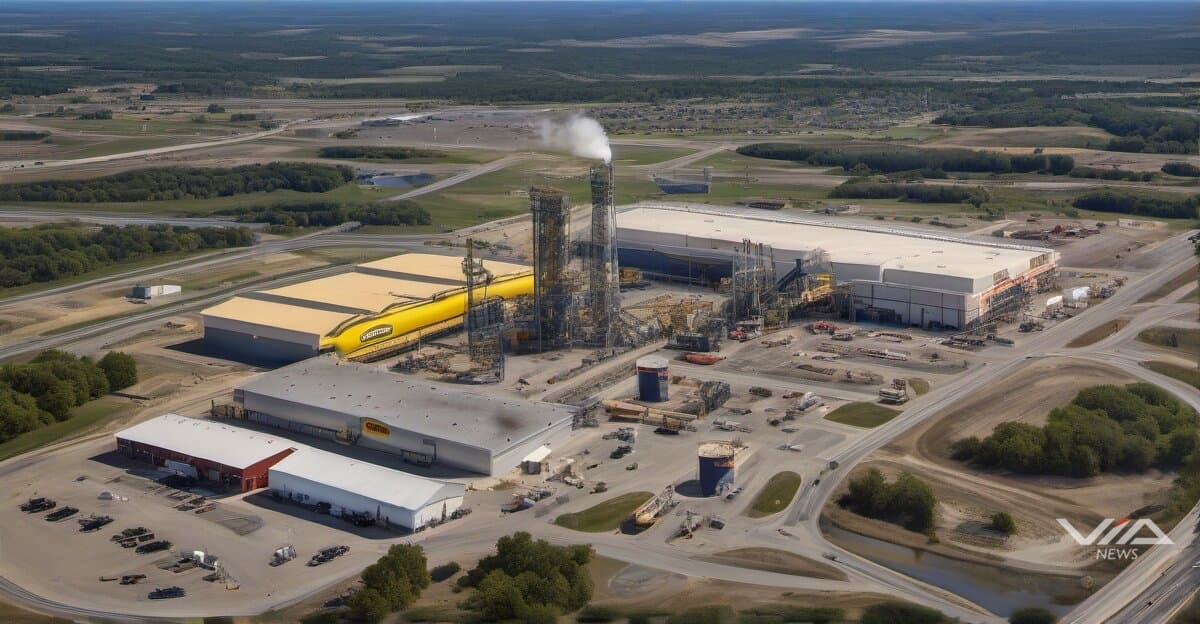
Image generated by AI for illustrative purposes. Not actual footage or photography from the reported events.

Four major acquisition announcements emerged across unrelated sectors, marking a notable uptick in M&A activity. Smithfield Foods purchased Nathan's Famous restaurant chain, ZenaTech acquired 18 technology firms simultaneously, Evolution Petroleum closed on new assets, and Chevron completed its merger with Hess Corporation.

The clustering of these deals across food service, drone technology, upstream oil, and integrated energy suggests corporate confidence in integration capabilities. Companies are deploying capital for strategic positioning rather than holding reserves during volatility.

Smithfield's Nathan's Famous acquisition consolidates branded food operations. The pork producer gains a recognized restaurant brand with licensing revenue streams beyond its core protein business. This vertical integration mirrors strategies other food conglomerates used to diversify revenue sources.

ZenaTech's 18-firm buying spree represents aggressive roll-up strategy in drone technology. The company is assembling capabilities across hardware, software, and applications. Bulk acquisitions carry integration risk but can accelerate market position when executed properly.

Evolution Petroleum's asset purchase expands its upstream portfolio. The independent producer is adding reserves and production capacity as energy markets stabilize. Smaller independents typically acquire during price normalization periods before major producers re-enter bidding.

Chevron's Hess deal stands as the largest transaction in this cluster. The supermajor gains Hess's Guyana offshore assets, expanding its position in a premier oil basin. This merger reshapes competitive dynamics among integrated energy companies and concentrates Guyana production among fewer operators.

The 73% confidence level on accelerating M&A trends reflects deal flow data across sectors. Investment banks report rising mandate pipelines. Corporate development teams are actively evaluating targets after a slower 2025 deal environment.

For investors, this signals management teams see clearer paths to value creation through acquisition than organic growth. Due diligence standards remain high, but financing conditions and strategic imperatives now align. Expect continued deal announcements as companies execute plans developed during the previous period of deal-making hesitation.

In this story · Knowledge Files

What we know · the intelligence behind this page
Live from the substrate
What we're seeing
Q4 2026 Clinical Catalyst Season: Big-Pharma Data Flow, Regulatory Milestones, and a Thin AI-Drug Fringe
October 2026 conferences (EASD, IGCS, NACFC, HFSA) are producing a dense run of late-stage readouts from Novo Nordisk, Lilly, Roche, Bayer, Vertex and Galderma. Regulatory milestones are scheduled behind them: the ivonescimab BLA PDUFA date on 2026-11-14, FDA acceptance of Roche's vamikibart BLA, and Scholar Rock's EMA resubmission. The AI-and-finance angle is peripheral. It consists of the AI-designed drug Rentosertib and QAIAx, a speculative microcap whose trial claims (the QIII pilot, anticipated 2027-01-01, and a patent update) are forecasts and filings rather than data, so they warrant skepticism.
Our read on the data ›
Signals we're tracking
EPKINLY Regulatory-Clinical Success Cascade
High probability of expanded label indications, additional combination approvals, and competitive positioning strength in follicular lymphoma market. Predicts positive commercial uptake and potential accelerated review for related indications.
Patterns we're watching ›
Where sources disagree
ING Group
Both facts record the same metric (shares_outstanding) for ING Group at the identical observation date (2025-12-31). FACT A states 2,902,437,688 shares; FACT B states 2,902 million shares (2,902,000,000). The difference is 437,688 shares (~0.015%). This is a genuine value conflict, though the discrepancy appears to result from FACT B rounding to the nearest million while FACT A provides the precise count.
We flag conflicts openly ›
Recently verified
✓ Checked against the original source
4,986
facts traced to their source — and we flag the ones that don't hold up.
101 entities tracked4,986 facts checked against source5,375 source documents archived
Query this data → isubstrate.com