
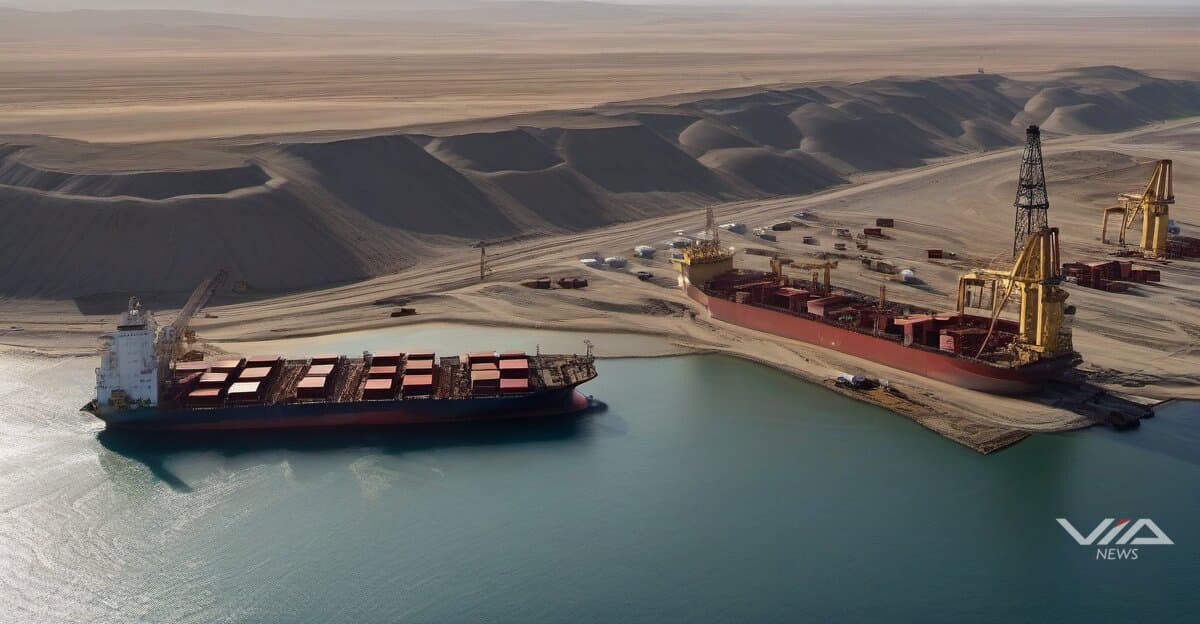
The Strait of Hormuz blockade has removed approximately 20 million barrels per day from global oil markets, according to MacroEdge Research—the largest supply disruption ever measured. Crude prices have surged sharply, elevating the Oil VIX volatility index and forcing portfolio managers to reassess inflation and interest rate outlooks.
"Any geopolitical situation that can affect the price of oil is what will have the largest impact on the financial markets," said Scott Wren, senior global market strategist. "Clearly both the Middle East and the Ukraine/Russia situations can impact oil prices."
The US has signaled a four-to-five-week campaign to resolve the blockade, but analysts warn the timing creates dual risks. Energy stocks and commodities are rallying on the supply shock, yet Nikos Tzabouras cautions that "supply disruption tailwind could ultimately turn into a demand destruction headwind" if prices stay elevated.
Sustained high energy prices may trigger reflationary pressures that weigh on a global economy already facing tariff headwinds, according to Tzabouras. This dynamic is forcing central banks to balance inflation control against growth concerns, potentially delaying anticipated interest rate cuts.
Portfolio managers are rotating into commodity hedges to offset inflation risk. Rare earth metals, agricultural investments, and resource-focused ETFs are seeing increased inflows as investors seek protection against energy-driven price pressures. The strategy aims to hedge portfolios against both direct energy exposure and second-order inflation effects across supply chains.
The crisis presents a allocation dilemma: energy stocks offer near-term upside from supply constraints, but extended high prices risk eroding consumer purchasing power and corporate margins. Fixed-income investors face renewed duration risk as inflation expectations climb, potentially steepening yield curves.
The blockade's resolution timeline remains uncertain, leaving markets vulnerable to further volatility. Asset managers are prioritizing liquid commodity exposure and inflation-protected securities while reducing duration in fixed-income allocations. The shift reflects growing consensus that energy security concerns will persist beyond the immediate crisis, reshaping long-term portfolio construction around commodity volatility and geopolitical risk.