

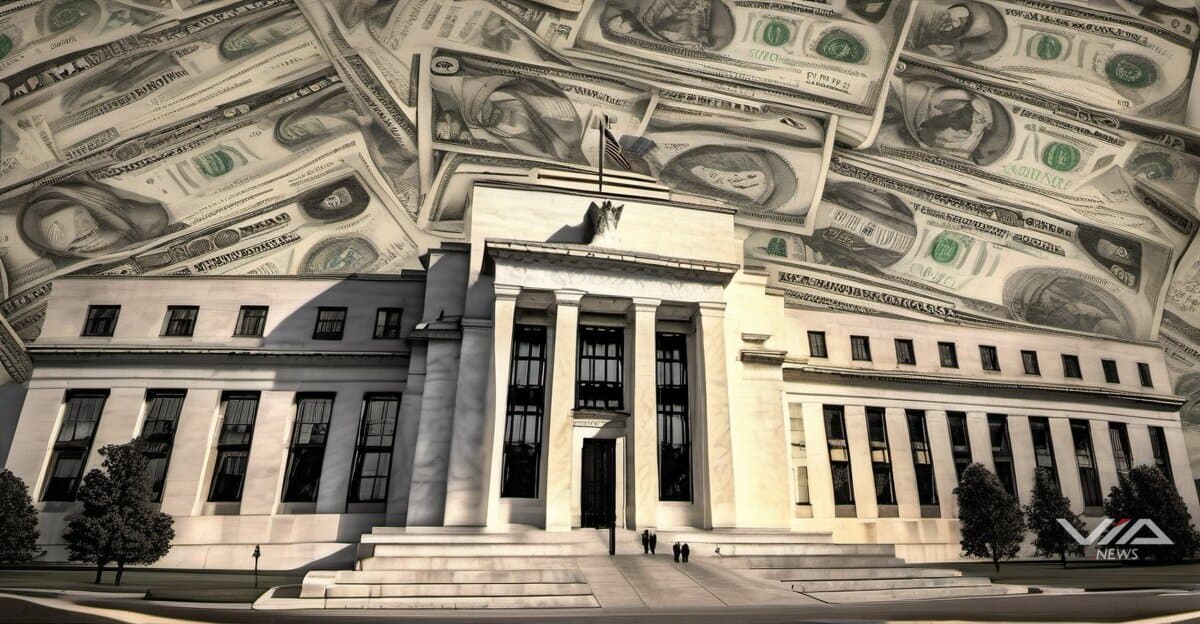
The Federal Reserve will likely pause interest rate reductions by early 2026, ending an easing cycle that began in 2024.
Three factors drive the anticipated policy shift. Inflation could re-accelerate beyond the Fed's 2% target, forcing policymakers to halt stimulus. Economic growth may prove more resilient than forecast, reducing the need for continued rate cuts. Financial stability risks could emerge, prompting the central bank to reassess its stance.
The pause carries direct implications for banking operations. Commercial banks face compressed net interest margins during rate cuts as deposit costs remain sticky while lending yields fall. A halt would stabilize these margins, improving profitability for regional and national banks.
Lending markets will adjust quickly. Mortgage rates, currently declining alongside Fed cuts, would stabilize or tick upward. Corporate borrowers who delayed financing during the easing cycle may accelerate bond issuance and loan agreements before rates firm.
Credit markets are already pricing in uncertainty. The yield curve has steepened in recent months as investors debate the Fed's endpoint. A confirmed pause would likely flatten short-term rates while long-term yields reflect persistent inflation expectations.
Financial institutions must recalibrate asset-liability management strategies. Banks that extended loan portfolios expecting sustained low rates face duration mismatches if the pause arrives sooner than anticipated. Treasury departments are stress-testing balance sheets against multiple rate scenarios.
The broader market impact extends beyond traditional banking. Private equity firms relying on cheap leverage for acquisitions confront tighter conditions. Real estate investment trusts face higher financing costs, pressuring property valuations and distribution yields.
Fed communications will intensify scrutiny. Chair Jerome Powell's statements and FOMC meeting minutes will be parsed for signals about pause timing and duration. Market volatility typically spikes during policy transitions as traders reposition portfolios.
The 2026 pause differs from previous cycles. Unlike the 2019 mid-cycle adjustment, this shift occurs amid ongoing fiscal expansion and geopolitical uncertainty, complicating the Fed's calibration of appropriate monetary restraint.