
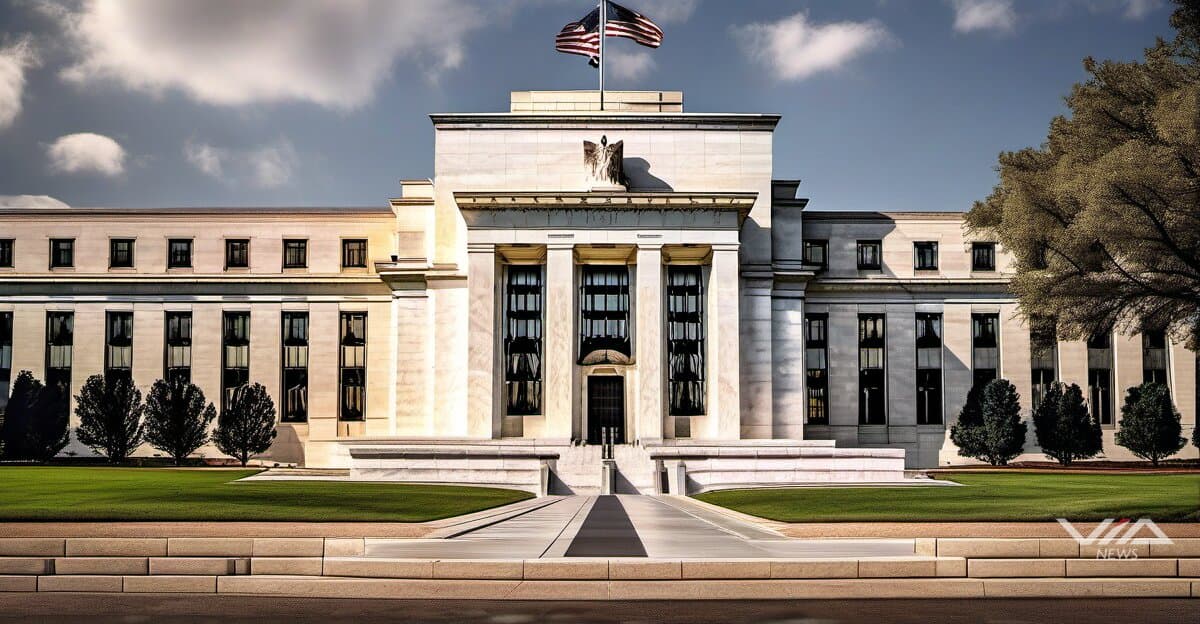
The Federal Reserve's rate-cutting cycle will likely freeze through June 2026, with policymakers citing persistent services inflation above 3.5% annualized. The central bank began easing in September 2025 but now signals caution.
Chicago Fed President Austan Goolsbee stated additional cuts require clear inflation moderation in the services sector. Geoffrey Kendrick, Standard Chartered analyst, puts odds of a May 2026 cut below 1%, marking the longest pause since the easing cycle began.
Banks face compressed net interest margins as deposit costs remain elevated while loan pricing stagnates. Regional lenders with heavy commercial real estate exposure see borrowers struggling to refinance at current rates, increasing default risk.
Corporate treasurers confronting $3.2 trillion in maturing debt through 2026 now expect refinancing costs 150-200 basis points above expiring obligations. Investment-grade spreads widened 45 basis points since January as companies delay bond issuance.
The Bank of Canada identified highly indebted households as a key vulnerability, a concern applicable to U.S. markets where adjustable-rate mortgages and home equity lines reset higher. Consumer credit stress typically precedes banking sector losses by 6-9 months.
Rate-sensitive equities including REITs and utilities underperformed broader indexes by 12% since easing expectations shifted. Growth technology stocks dependent on low discount rates for valuations saw similar declines.
Portfolio managers now advocate defensive positioning: short-duration bonds, value stocks over growth, and cash reserves near 15% of allocations. The "higher for longer" scenario demands strategies built for sustained restrictive policy rather than rate relief.
Credit markets price in Fed funds staying above 4.25% through year-end 2026, forcing corporations to preserve cash and delay expansion projects. Capital expenditure budgets fell 8% quarter-over-quarter among S&P 500 firms.
The policy impasse creates tactical opportunities in floating-rate securities and senior bank loans, which benefit from sustained higher rates. Investors shift from anticipating cuts to extracting yield in the current environment.