
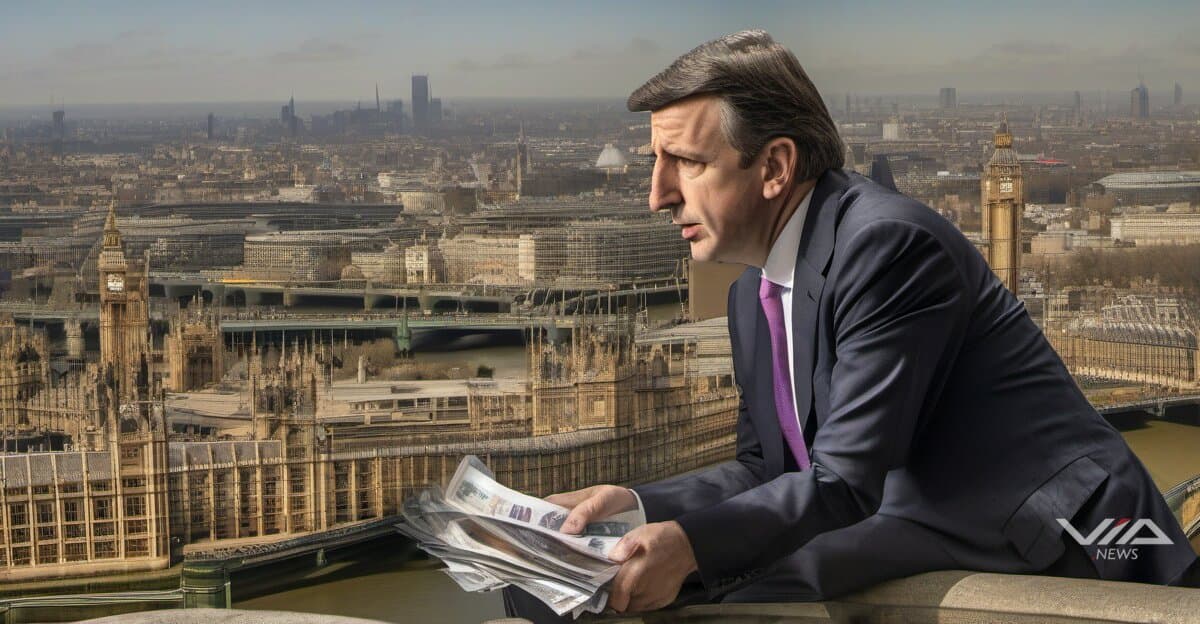
Chancellor Rachel Reeves faces constrained fiscal maneuvering room as the Spring Statement 2026 approaches against a backdrop of falling inflation and eased government borrowing costs offset by rising unemployment and weakened growth prospects, according to King's College London economist David Aikman.
Oil and gas prices have surged due to the Iran conflict, disrupting shipping routes and threatening household bills and business costs in coming months. Persistent energy shocks could push inflation and interest rates upward again, limiting the Bank of England's ability to support growth through monetary easing.
The UK fiscal picture darkens further as gilt market volatility constrains investment. Government bond yields remain sensitive to geopolitical risk premiums, forcing the Treasury to balance market confidence against spending pressures on public services and infrastructure.
Across the Atlantic, the US Social Security fund faces accelerated insolvency by 2032 following tax cut provisions in the One Big Beautiful Bill Act. Only 24% of current Social Security recipients will see reduced taxable income from the new law, according to the Center for Budget and Policy Priorities. Fund depletion will trigger automatic benefit cuts affecting millions of retirees.
Jerome Powell's Federal Reserve chair term expires in May 2026, creating uncertainty around US monetary policy leadership at a critical juncture. "This is an existential moment for the Fed in our democracy. He needs to prevent the president from getting a majority on the board," said Brookings Institution economist David Wessel.
Fed independence concerns carry direct implications for UK banking stability. Global banks operating in London depend on predictable US monetary policy to price cross-border lending and manage dollar-denominated exposures. Any erosion of Fed institutional autonomy would increase volatility in sterling-dollar currency markets and complicate Bank of England policy coordination.
UK investment managers face compounding risks: domestic fiscal constraints limit growth potential while US entitlement funding gaps threaten dollar asset stability. Banking sector balance sheets remain exposed to both sovereign debt repricing and potential Fed policy unpredictability.
The Spring Statement will reveal how much fiscal headroom Reeves retains to address growth concerns without spooking gilt markets. With geopolitical energy shocks, US entitlement crises, and central bank transition risks converging, UK financial institutions confront a narrowing window for portfolio adjustments ahead of potential market turbulence.