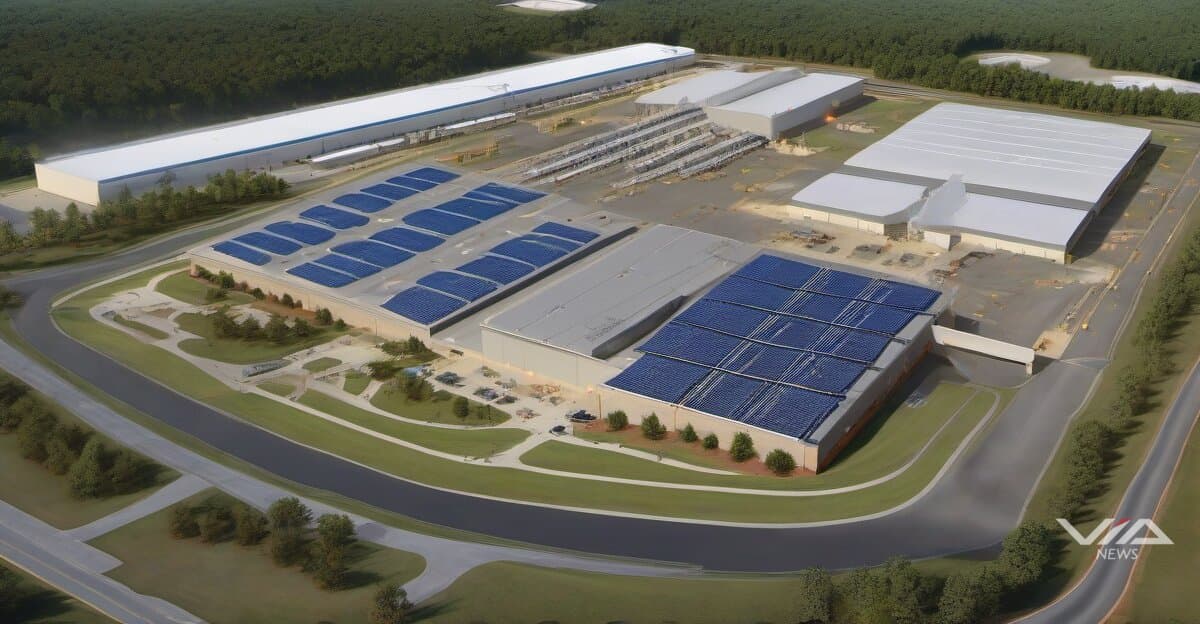
Suniva is committing millions to a South Carolina manufacturing facility that would expand capacity 4.5x — from 1 GW to roughly 4.5 GW nameplate.1 The capital deployment risk is rated catastrophic severity and high likelihood by risk assessors.1
Suniva holds a unique market position: it is the largest and oldest U.S. merchant manufacturer of high-efficiency monocrystalline silicon photovoltaic solar cells, and the only U.S.-owned and operated solar cell manufacturer in the country.1 That status makes the project strategically visible — and financially exposed.
A reverse merger compounds the risk. The transaction creates an untested combined entity with no operational track record under the new structure.1 Lenders and capital markets face limited data on which to underwrite a nine-figure construction loan for the merged company.
Three specific failure vectors drive the catastrophic rating. First, cost overruns on large-scale manufacturing builds routinely exceed initial projections. A 4.5x capacity jump is not incremental — it is a facility-level reconstruction. Second, construction delays would defer revenue generation while fixed financing costs accrue. Third, and most structurally dangerous, is the inability to secure or maintain financing through the build period in the event the reverse merger triggers lender covenants or refinancing requirements.1
The combined exposure is asymmetric. A successful build would establish Suniva as a dominant domestic solar manufacturer at a moment when U.S. policy is prioritizing onshore clean energy supply chains. A failed or stalled build would leave the company with a partially constructed facility, elevated debt load, and a merged entity lacking the operational history to attract rescue capital at reasonable rates.
For investors in the combined entity, the core question is not whether the strategic rationale is sound — domestic solar manufacturing capacity is a policy and commercial priority. The question is whether the financing structure survives construction risk at this scale for a company navigating a simultaneous corporate restructuring.
The millions figure represents a concentrated single-project wager on execution competence and capital market access, both of which remain unproven for the post-merger organization.1