
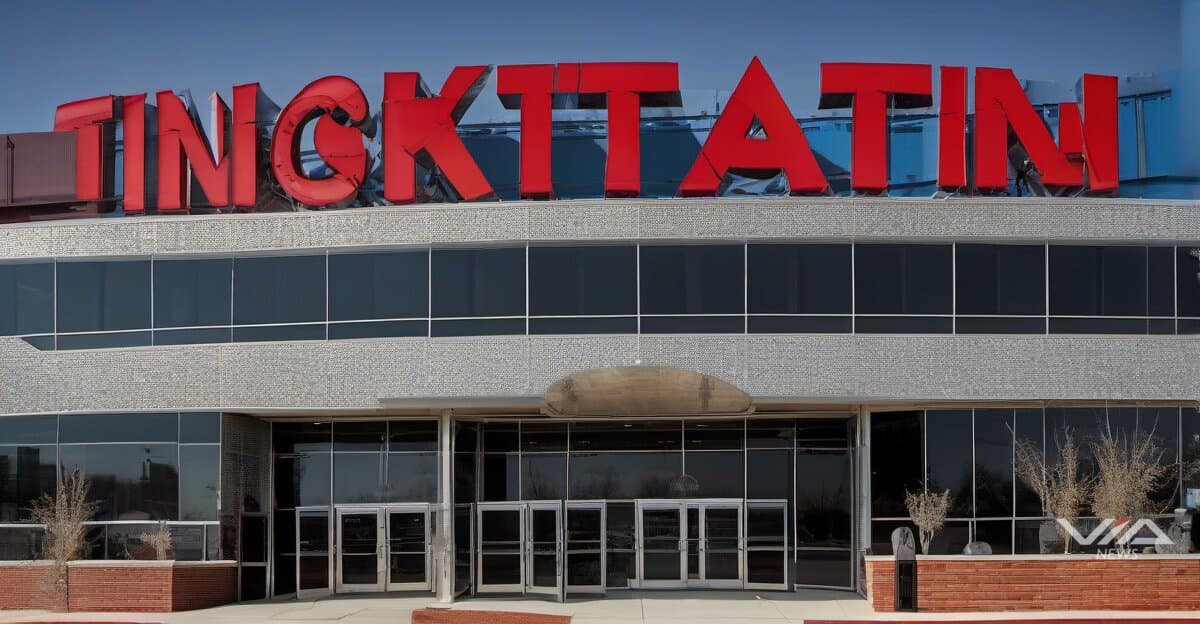
Live Nation Entertainment faces a high-probability scenario of forced Ticketmaster divestiture as antitrust regulators intensify scrutiny of monopolistic practices in live entertainment ticketing. Authorities have assigned a 70% confidence level to catastrophic regulatory outcomes, including breakup orders or operational restrictions that would dismantle the company's vertically integrated business model.
The regulatory threat targets the 2010 merger that created the current structure, combining the world's largest concert promoter with the dominant ticketing platform. Ticketmaster controls an estimated 70-80% of primary ticket sales for major venues nationwide, with exclusive contracts locking venues into long-term arrangements that critics say eliminate competition and inflate fees.
Forced divestiture would separate Ticketmaster from Live Nation's venue operations and concert promotion business, eliminating the strategic advantages that have driven shareholder value for 15 years. The company's $20 billion market capitalization reflects integrated revenue streams across ticketing, promotion, sponsorship, and artist management—a model regulators now view as anticompetitive.
Operational restrictions short of divestiture could prohibit exclusive venue contracts, cap service fees, or mandate interoperability with competing ticketing platforms. Each scenario would compress margins in the high-fee ticketing segment that generates disproportionate profits relative to lower-margin promotion activities.
The regulatory push gained momentum after high-profile ticketing failures exposed system vulnerabilities and consumer harm from limited alternatives. Senators from both parties have backed antitrust action, creating bipartisan political pressure that increases enforcement likelihood regardless of administration changes.
Investors face binary outcomes: either Live Nation preserves its integrated model through legal challenges and settlements, or forced restructuring creates two separate entities with diminished competitive positioning. Ticketmaster alone would lose venue relationships and exclusive access, while Live Nation's promotion business would face higher ticketing costs and reduced data advantages.
The timeline remains uncertain, but regulatory proceedings typically span 18-36 months from initial action to final resolution. Share price volatility will likely intensify as enforcement milestones approach, with restructuring costs and stranded assets adding downside risk beyond the core business separation.